
Climate GIJC25
Overcoming Four Big Challenges to Investigating the Water Crisis
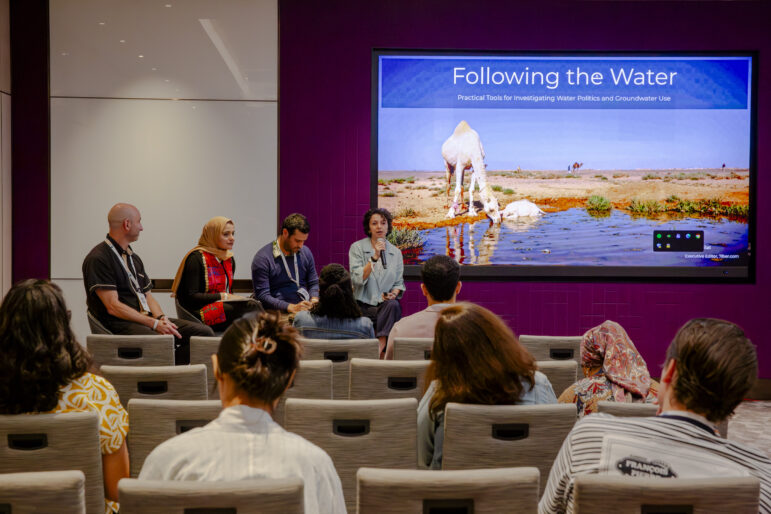
Journalists reporting on water scarcity often face a lack of transparency, limited access to sites and sources, unwieldy data, and a resistant media environment.
Journalists reporting on water scarcity often face a lack of transparency, limited access to sites and sources, unwieldy data, and a resistant media environment.

In a keynote conversation, the economist said reporters have a key role to play in probing Western financial institutions and the rules that lead to wealth being laundered from the Global South.

A panel of three investigative reporters shared practical tips to dig into the rapid deployment of biometric systems in Africa and beyond.

Undercover specialists warn that investigative tactics must be a last resort—especially in the AI age, where metadata, surveillance, and deepfakes raise new ethical and safety risks.
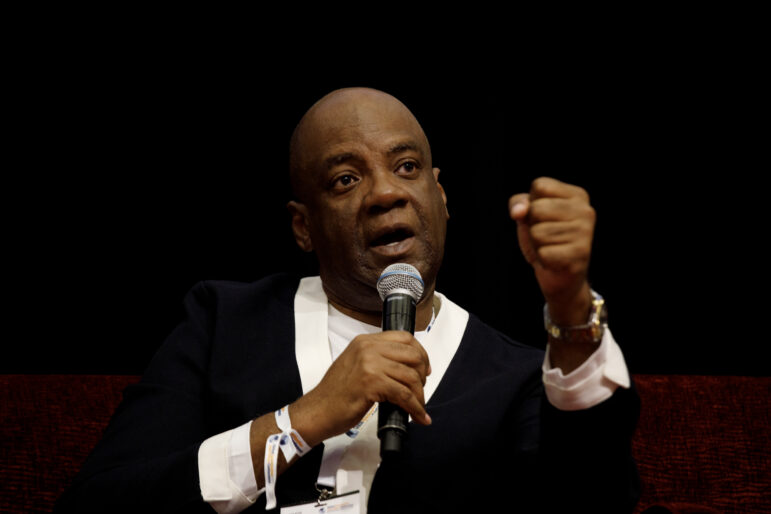
The former lead Rwanda genocide prosecutor explains old flaws and new solutions for the international criminal justice system.

Effective investigative reporting under repression requires methodical safety planning, disciplined self-care, and an active defense of one’s work and reputation, according to this renowned investigative journalist.
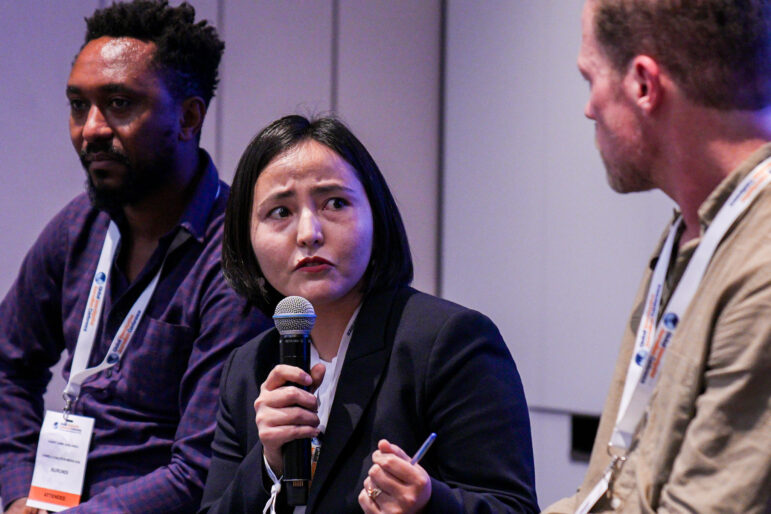
Forced to leave their homes and homelands, exiled journalists spoke about finding ways to continue their journalism in the countries where they have sought refuge.

At GIJC25 in Malaysia, GIJN posthumously honored pioneering data journalist John Bones with the GIJN Award for Extraordinary Service to International Investigative Journalism.

Four journalists working in authoritarian countries or regions where democracy is backsliding offer their advice on how to deal with the reporting challenges.
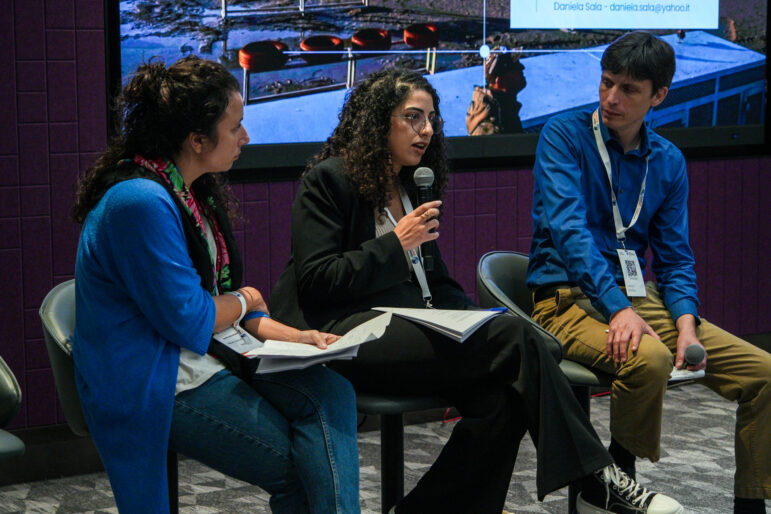
Multimedia investigations across Africa and the Middle East highlight the links between environmental damage and public health, while seeking to expose who is responsible.