

GIJN Impact News & Analysis
GIJN in 2025, by the Numbers
The year 2025 was a groundbreaking moment for the Global Investigative Journalism Network. Here are some of the key metrics from all of our work around the world last year.
The year 2025 was a groundbreaking moment for the Global Investigative Journalism Network. Here are some of the key metrics from all of our work around the world last year.
Speakers at this GIJC25 session dismantled the myth that offshore finance is inaccessible or unknowable and argued that the real barrier is not secrecy alone, but confidence, skill, and persistence.
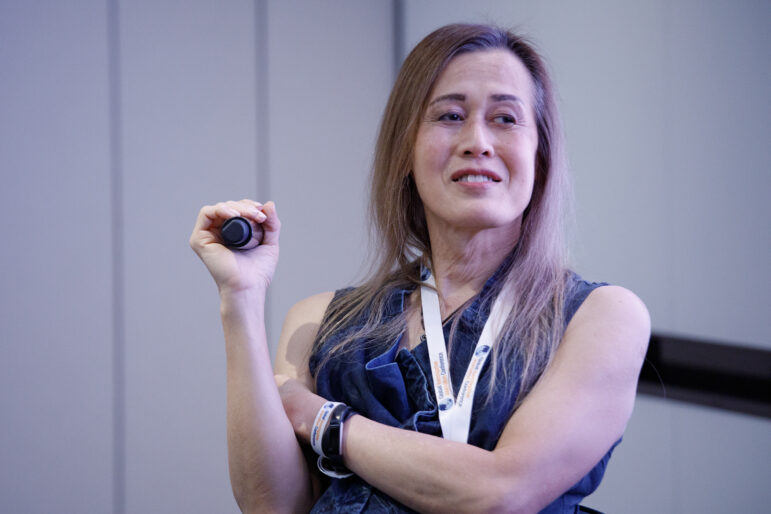
This GIJC25 panel discussion surfaced a set of unresolved questions about what investigative journalism can sustainably support — and what it may need to leave behind.
Investigative reporters traced dangerously high lead contamination in Nigeria — revealing that recycled metal from used car batteries entered global supply chains linked to major US automakers.
Reporters exposing exploitation in the high seas use a combination of open source satellite imagery to track ships and documents to establish vessel ownership.

Archives are a powerful way to expose historical abuses — from war crimes to broken government promises — by preserving fragile evidence and turning it into a verifiable, searchable record.
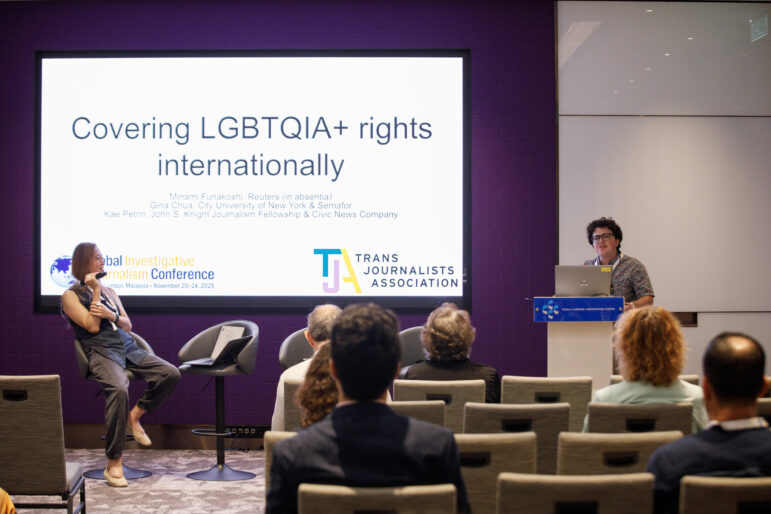
Rising political backlash and harmful policies threaten queer lives. Covering systemic failures that affect LGBTQ+ people requires rigorous, sensitive reporting.

From combining investigative stories with theater events to livestreaming editorial meetings, these newsrooms have adapted to dwindling revenue streams in novel ways.

Here are the tipsheets and presentations shared by speakers at the Global Investigative Journalism Conference in 2025.
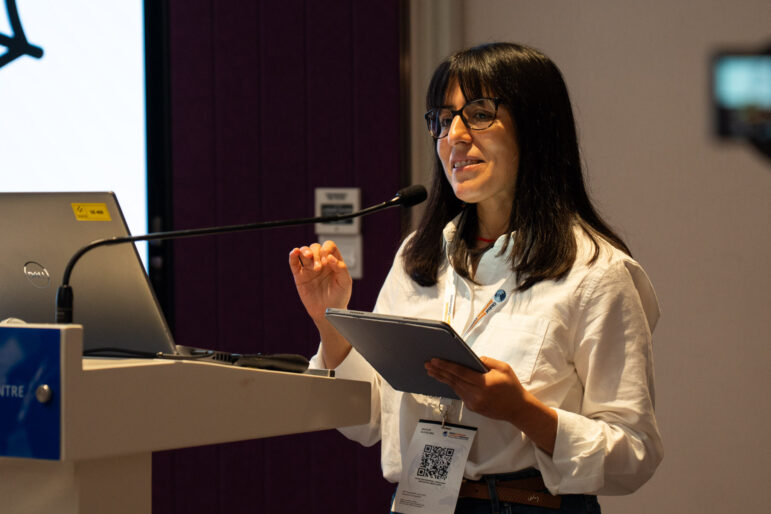
At GIJC25, Peruvian investigative journalist Fabiola Torres showed reporters how to uncover the systems behind pharma monopolies, and how to connect market structures to human impact.