

Resource Tipsheet
Basic Data Journalism Tips for Editors
At the NICAR22 conference in Atlanta, Georgia, journalism trainer MaryJo Webster offered a series of basic tips for editors who have little to no data analysis skills.
At the NICAR22 conference in Atlanta, Georgia, journalism trainer MaryJo Webster offered a series of basic tips for editors who have little to no data analysis skills.
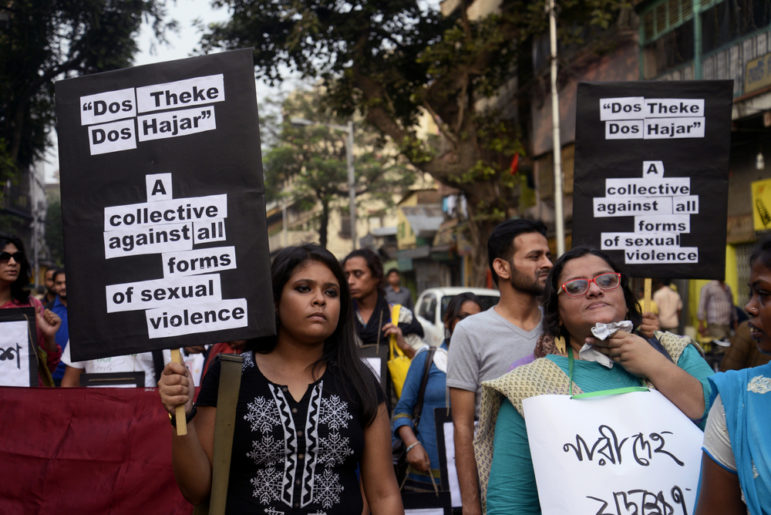
Journalist Rachel Chitra used news reports to build a database on hate crimes and violence in India. Here she gives tips for reporters facing a data gap, and offers lessons learned from her research about how journalists can reliably step in to gather, clean, and publish data when the government fails to keep track of important information.
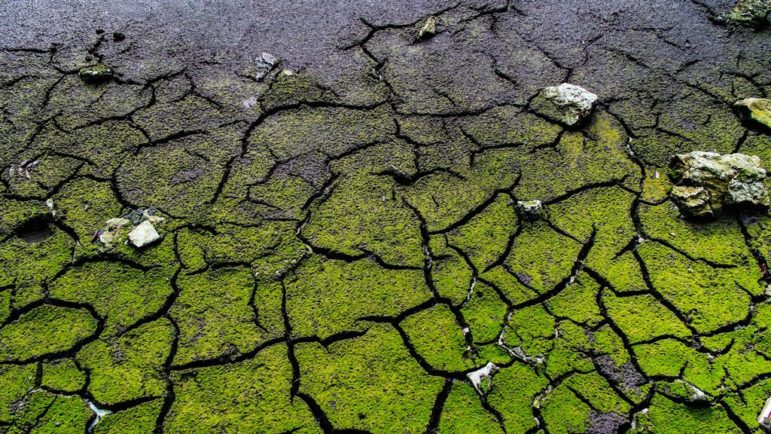
Wondering how to investigate climate change and where to find the best data? At a recent conference, science reporters from BuzzFeed News, NPR, and ProPublica shared tips on little-known data sources that can make climate change stories both easier to report and understand.
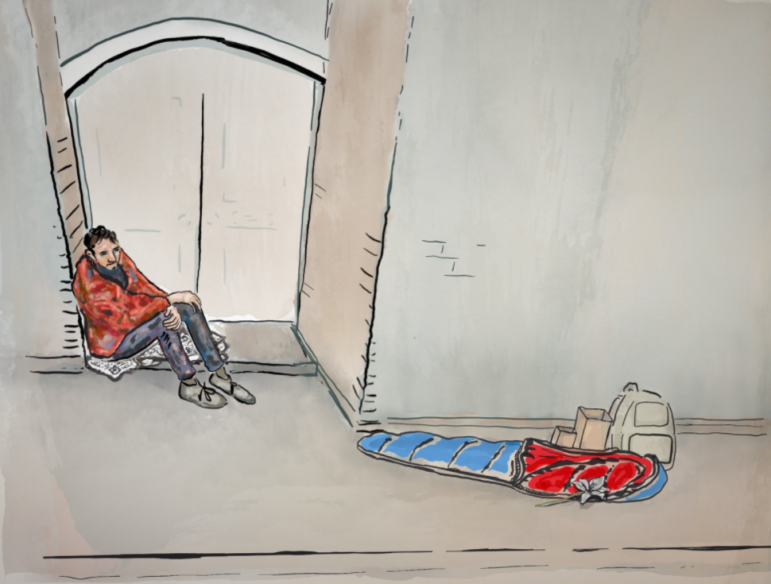
Maeve McClenaghan realized no one was collecting the relevant data to build a nationwide picture of how many homeless people were dying across the UK, sparking an 18-month investigation involving a network of over 1,000 contributors.
In 2001 GIJN was born, as investigative journalists from around the globe met for the very first time to share ideas, tips, and best practices to strengthen their reporting in a world where journalism was increasingly under threat.
Today the threat has multiplied, and at GIJN we find ourselves under the same pressures as our member organizations. Most urgently: available funding for investigative journalism has been impacted as some longtime funders who supported journalism in the past are no longer doing so or have closed. Yet our work continues, more important than ever before.
GIJN serves as the global hub for the world’s investigative reporters. Our core mission is to support and strengthen investigative journalism—with special attention to those from repressive regimes and marginalized communities.
We are embarking on our first-ever campaign initiative to help us expand our revenue by the end of the year through individual donors. If you have ever joined one of our free webinars, used one of our free resources, learned a new skill thanks to a GIJN training, or simply believe that press freedom is essential to civil society, we ask you to show your support for GIJN’s work with a donation of your choosing. Called “Friends of GIJN,” this campaign includes a more personalized experience, starting in 2027, for individuals who answer the call to join with us during this unprecedented time.
Truth and democracy are under attack around the world. You can fight back by helping GIJN support investigative journalists with free access to the latest tools and techniques — so they can foster justice and hold accountable those who abuse the public trust.
With a staff based in 24 countries, GIJN works in a dozen languages each day, linking together the world’s most enterprising journalists, offering state-of-the-art training, webinars, tip sheets, and a Help Desk that responds to 2,000+ requests for assistance each year. More than 84% of GIJN’s operating budget goes directly to our program work.
Please make a gift today to support journalists on the front lines of the fight for accountability and human rights.