
Data Journalism Top 10
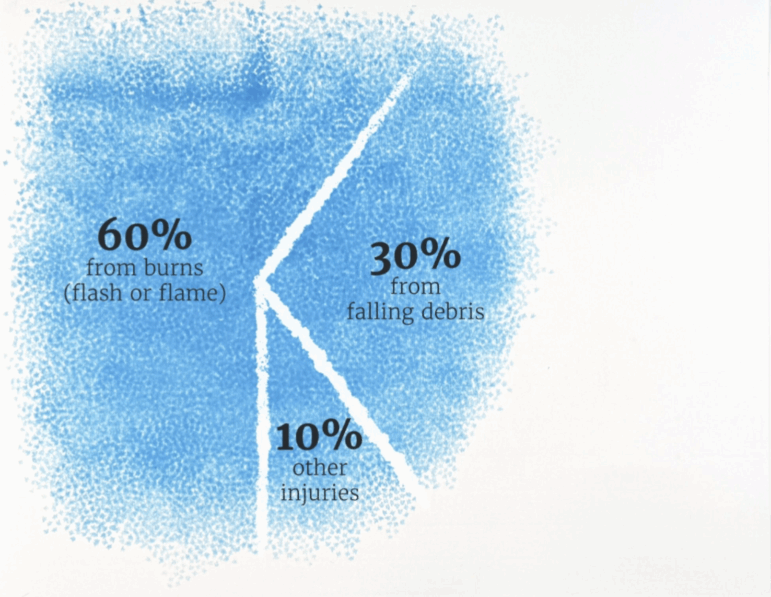
Extreme Heat in US Prisons, Tremors and Tsunamis, DRC’s Illegal Timber Trade, Shark Meat in Brazilian Schools
Our round-up of the best in recent data journalism also features stories from Southeast Asia and Gaza.
Our round-up of the best in recent data journalism also features stories from Southeast Asia and Gaza.

With a little research and negotiation, reporters can slash the cost of obtaining records bundles and speed up the government’s response in the process.

The chief data reporter for the Financial Times discusses how he considers the use of text, color, and annotation to aid visual storytelling through charts and graphics.
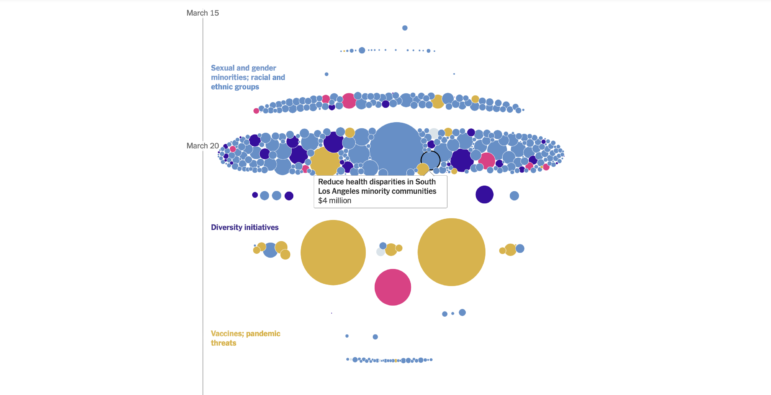
Our data journalism column also features medical research funding at risk in the US, a report on Antarctica, and an interactive that lets you ‘drive’ the Monaco Grand Prix circuit.

What innovative tools and techniques are shaping the future of data journalism? A special Lightning Round webinar with the 10 winners of the 2025 Sigma Awards, celebrating some of the world’s best data-driven investigations.
A fast-paced session in which Sigma Award winners share key insights from their reporting process — from their favorite tools to innovative methods that helped uncover complex stories.
A webinar exploring how investigative journalists can document human rights abuses in war zones, with a focus on methods to ensure the information gathered can later be used by legal investigators or international courts.
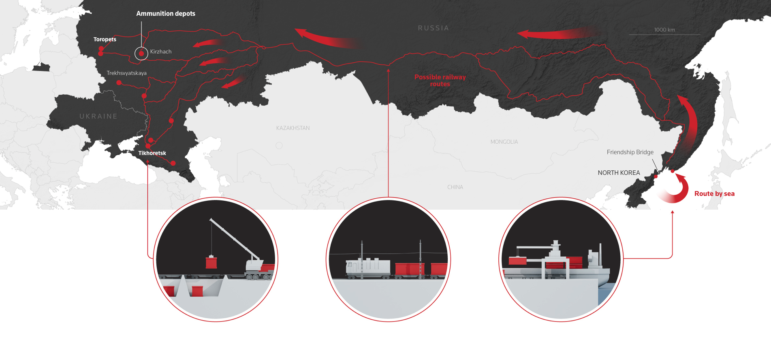
Also highlights how X influences Elon Musk’s government policy, the numbers behind the successful Danish toy maker Lego, and mapping the Sudan conflict.

Data journalism in the Middle East has been driven by organizations that have produced collaborations and projects that combine innovative techniques with nuanced local knowledge.
Securing sustainable funding for investigative journalism is tougher than ever, with some traditional funding sources shifting and global support shrinking. To help journalism organizations navigate these challenges, GIJN is hosting a webinar on innovative fundraising strategies. This session will offer journalists and media managers practical insights and actionable advice on building financial resilience, so they can keep producing hard-hitting investigative reporting.
In 2001 GIJN was born, as investigative journalists from around the globe met for the very first time to share ideas, tips, and best practices to strengthen their reporting in a world where journalism was increasingly under threat.
Today the threat has multiplied, and at GIJN we find ourselves under the same pressures as our member organizations. Most urgently: available funding for investigative journalism has been impacted as some longtime funders who supported journalism in the past are no longer doing so or have closed. Yet our work continues, more important than ever before.
GIJN serves as the global hub for the world’s investigative reporters. Our core mission is to support and strengthen investigative journalism—with special attention to those from repressive regimes and marginalized communities.
We are embarking on our first-ever campaign initiative to help us expand our revenue by the end of the year through individual donors. If you have ever joined one of our free webinars, used one of our free resources, learned a new skill thanks to a GIJN training, or simply believe that press freedom is essential to civil society, we ask you to show your support for GIJN’s work with a donation of your choosing. Called “Friends of GIJN,” this campaign includes a more personalized experience, starting in 2027, for individuals who answer the call to join with us during this unprecedented time.
Truth and democracy are under attack around the world. You can fight back by helping GIJN support investigative journalists with free access to the latest tools and techniques — so they can foster justice and hold accountable those who abuse the public trust.
With a staff based in 24 countries, GIJN works in a dozen languages each day, linking together the world’s most enterprising journalists, offering state-of-the-art training, webinars, tip sheets, and a Help Desk that responds to 2,000+ requests for assistance each year. More than 84% of GIJN’s operating budget goes directly to our program work.
Please make a gift today to support journalists on the front lines of the fight for accountability and human rights.