How They Did It
How We Investigated a Global Crypto Laundromat
Investigators explain how they found a sanctioned crypto exchange in Russia resurrected itself under a new name and continued to attract new clients and move money across borders.
Our round-up of the best in recent data journalism also highlights a deadly train accident in Spain, new migration patterns from Venezuela, and Japan’s nuclear power resurgence.
Cryptocurrencies have taken the financial world by storm, yet few people truly understand them. Despite an industry raked by volatility and billion-dollar scandals, they have gained popularity not only among investors and anarchists, but also organized crime figures and cyber thieves looking to avoid the traditional financial system. Experts insist there are ways to investigate […]
Criminal activity tends to thrive where state oversight is weakest. So it’s no wonder that cryptocurrencies are the financial tool of choice for criminals around the world, which makes insightful coverage of them increasingly important for investigative journalists.
Even for journalists who feel they have a good grasp on crypto technology and economics, covering the beat has been undeniably difficult. With over a decade of articles, videos, and podcasts in the rear-view mirror, now is a great time to reflect on some of the hard-learnt lessons of covering the industry.
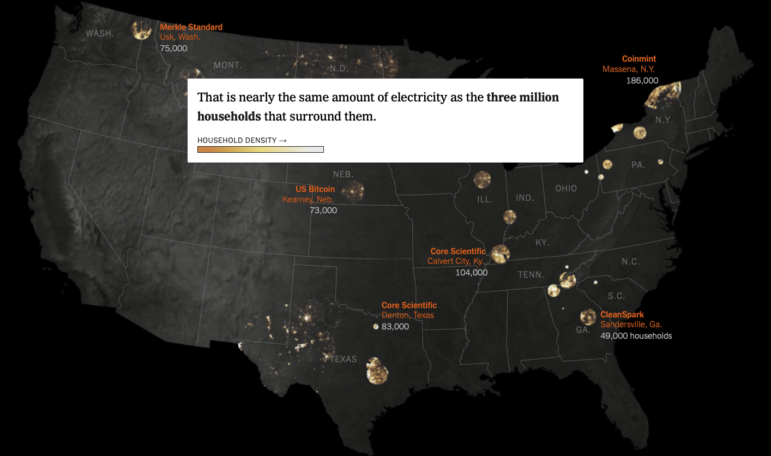
This week’s data journalism roundup highlights a New York Times investigation into the energy and environmental impacts of bitcoin mining, Reuters’ look at anti-homosexuality laws across the African continent, mapping of Switzerland’s residential density, and a visualization of Lionel Messi’s decorated football career.
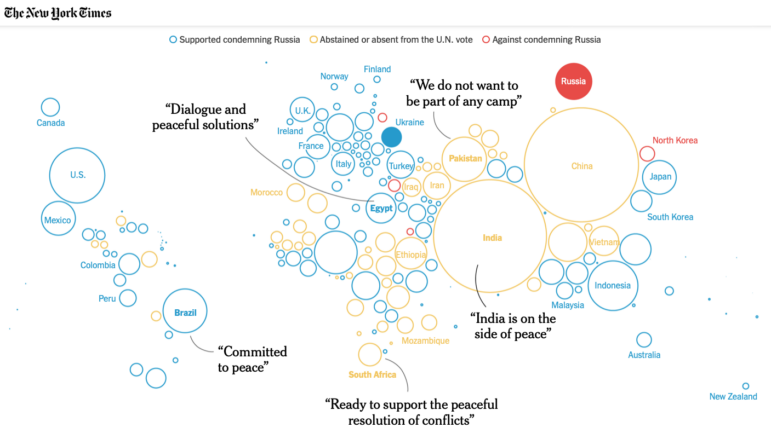
GIJN’s weekly look at the best in data journalism examines one year of war in Ukraine, Russian casualty totals, trans coverage in the French media, and the most unexpected performances in NBA history.
There is one key reason why reporters should start learning about cryptocurrencies, according to the OCCRP’s Jan Strozyk, and that is because their investigative targets are already using them to hide their crimes and finance their future operations.
How do you track cryptocurrency transactions? Brenna Smith, an undergraduate researcher at UC Berkeley’s Human Rights Investigations Lab, who specializes in investigating disinformation and the illicit use of cryptocurrencies, has created a tutorial using Izz ad-Din al-Qassam Brigades’ bitcoin funding campaign as a case study to show you how.
With a $5 million funding budget, the new platform is dreamily promising a new “canvas on which journalists can paint the future of their industry.” But it isn’t clear how the blockchain-based technology will generate the cold hard cash needed to sustain the industry’s revenue-starved publications, writes Rowan Philp for GIJN.