

10 Questions
From Poet to Reporter, Covering the Human Angle of Conflict in Nigeria
The managing editor of HumAngle, which covers the human costs of conflict and terrorism, discusses the challenges of investigative coverage in Nigeria.
The managing editor of HumAngle, which covers the human costs of conflict and terrorism, discusses the challenges of investigative coverage in Nigeria.

This session was designed to provide investigative journalists with the skills to investigate the arms trade and military aid.

Three senior investigative journalists shared tips and tools on investigating the conflict in Gaza.
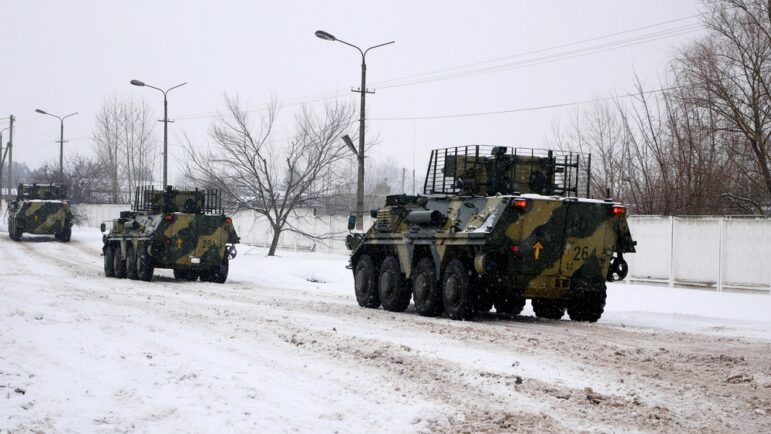
Featuring sanctions lists, databases of politically-exposed persons, details on military expenditure and arms embargoes, plus interactive maps and charts on armed violence.

Sexual violence is a feature of conflict and war. Its impact is felt by individuals, but also by families and communities, and its destructive effects persist for generations. Reporting criminal acts of any sort in an active conflict is difficult enough; documenting and reporting sexual violence during a conflict poses even more challenges. In this […]
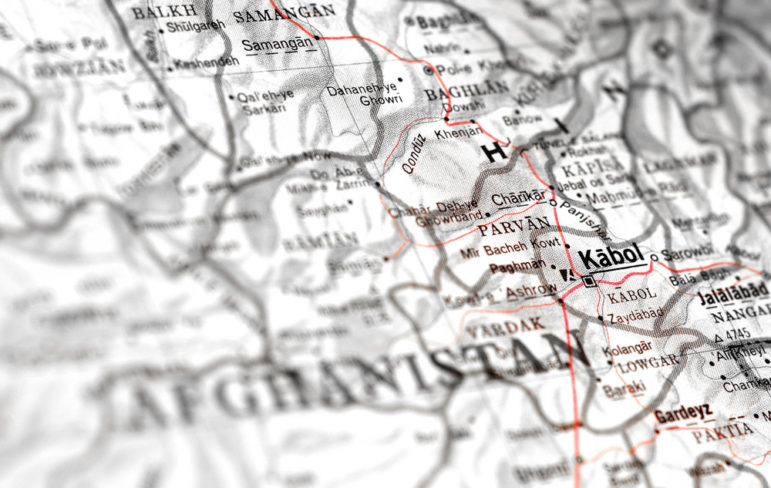
When the Taliban seized control of Kabul, international news outlets focused their attention on what was happening at the airport. But experts told the GIJC21 this was symptomatic of how the West failed to understand – and report – the real story during the 20-year conflict in Afghanistan.
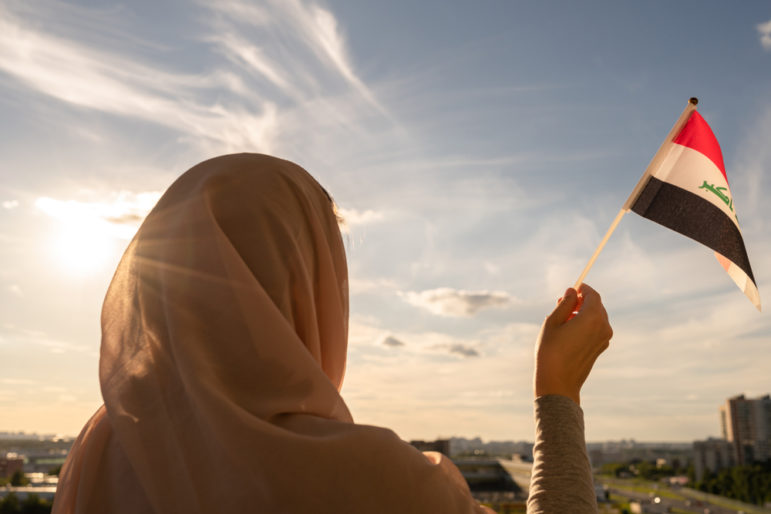
In recent years it has become increasingly difficult to report on Iraq, with attacks and threats against journalists leaving investigative journalists in the country at risk. In this article, an award-winning reporter explores what is happening and what is at stake.
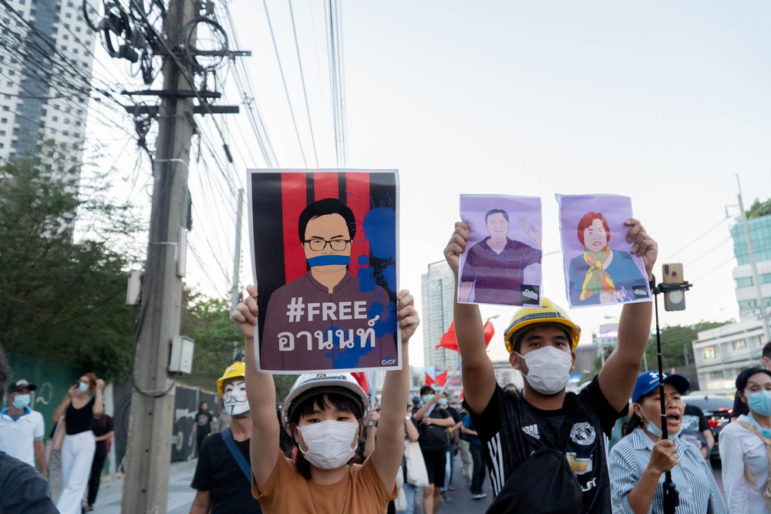
In August 2020, the leaders of Thailand’s pro-democracy movement published a list of demands after tens of thousands of reformists joined their call to take to the streets. Only one local media outlet dared to publish them: Prachatai, a bold start-up committed to promoting freedom of expression and democracy.
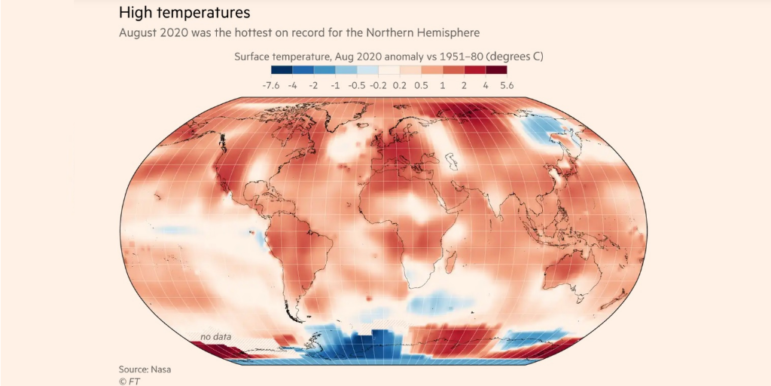
How fast is the coronavirus spreading in countries around the world? Our NodeXL #ddj mapping from September 14 to 20 finds data visualization designer Jan Willem Tulp simulating the speed of COVID-19 infections and German television news program ZDF heute mapping how the pandemic traversed the globe. Meanwhile, Thibi Recipes explores tutoring data journalism as if you’re following a cooking recipe, the Financial Times reports on climate extremes, and ICIJ and Buzzfeed bare suspect financial data.
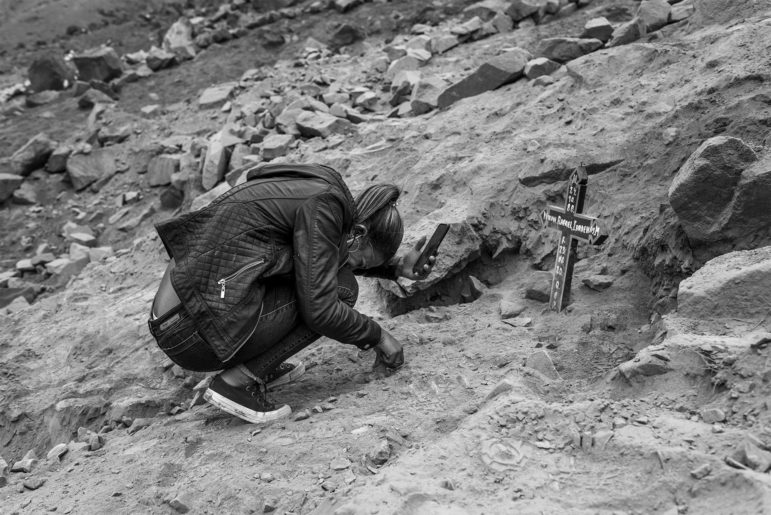
In interviews with GIJN, six leading photojournalists from around the world described six very different approaches for dealing with the safety, access, and technical challenges of shooting the pandemic. From using bulletproof vests and embedding strategies to projected images and screenshots of Zoom meetings, these photographers detailed some of the creative thinking needed to document a world in lockdown.
In 2001 GIJN was born, as investigative journalists from around the globe met for the very first time to share ideas, tips, and best practices to strengthen their reporting in a world where journalism was increasingly under threat.
Today the threat has multiplied, and at GIJN we find ourselves under the same pressures as our member organizations. Most urgently: available funding for investigative journalism has been impacted as some longtime funders who supported journalism in the past are no longer doing so or have closed. Yet our work continues, more important than ever before.
GIJN serves as the global hub for the world’s investigative reporters. Our core mission is to support and strengthen investigative journalism—with special attention to those from repressive regimes and marginalized communities.
We are embarking on our first-ever campaign initiative to help us expand our revenue by the end of the year through individual donors. If you have ever joined one of our free webinars, used one of our free resources, learned a new skill thanks to a GIJN training, or simply believe that press freedom is essential to civil society, we ask you to show your support for GIJN’s work with a donation of your choosing. Called “Friends of GIJN,” this campaign includes a more personalized experience, starting in 2027, for individuals who answer the call to join with us during this unprecedented time.
Truth and democracy are under attack around the world. You can fight back by helping GIJN support investigative journalists with free access to the latest tools and techniques — so they can foster justice and hold accountable those who abuse the public trust.
With a staff based in 24 countries, GIJN works in a dozen languages each day, linking together the world’s most enterprising journalists, offering state-of-the-art training, webinars, tip sheets, and a Help Desk that responds to 2,000+ requests for assistance each year. More than 84% of GIJN’s operating budget goes directly to our program work.
Please make a gift today to support journalists on the front lines of the fight for accountability and human rights.