
How They Did It
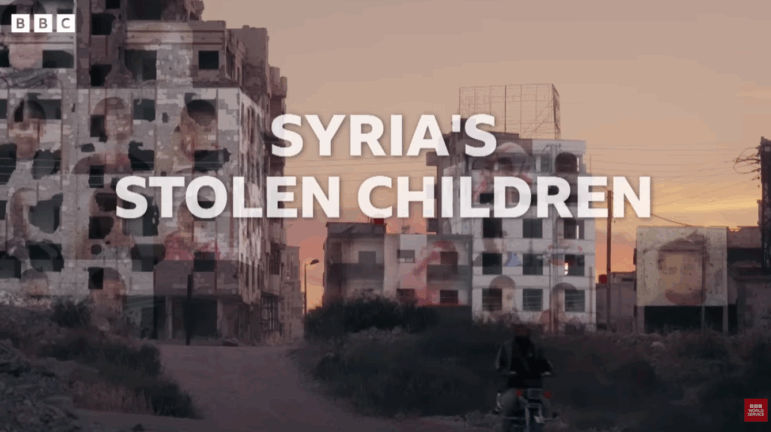
Uncovering Syria’s Stolen Children
This collaborative investigation brought together international and local journalists to reveal how the Assad regime used a global childcare charity to aid the disappearance of children.
This collaborative investigation brought together international and local journalists to reveal how the Assad regime used a global childcare charity to aid the disappearance of children.
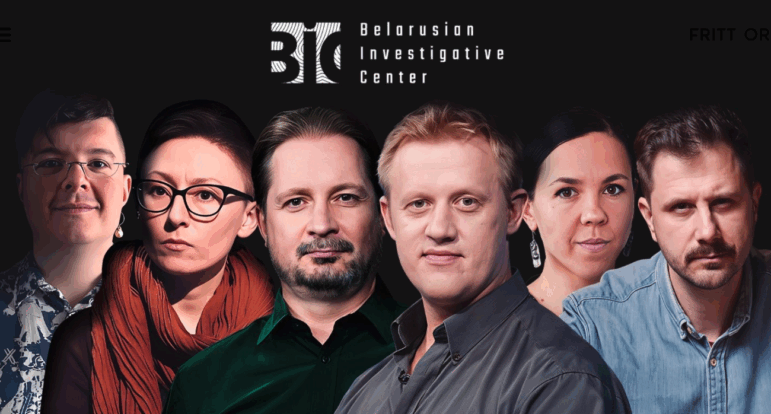
Since 2020, the exiled outlet’s investigations have led to approximately 90 sanction actions, proving how journalism can make a real impact on authoritarian regimes.

Collaborative journalism, feminist perspectives, diverse newsrooms, and support from local journalists can lead to better coverage of migration.

The annual IJ4EU Impact Award honors the best in cross-border investigative journalism in Europe. This shortlist for 2024 recognizes 10 outstanding works of collaborative reporting.

A new wave of investigative health journalism is exposing deadly misinformation, turning complex data into accessible truths that can save millions of lives.

The goal of Forbidden Stories is to send a strong signal to those who oppose press freedom and want to act with impunity that killing a journalist won’t kill the story.

GIJN convened a one-day meeting of 80 climate change journalists and experts from 35 countries to discuss the future role of investigative journalism in climate crisis reporting.

The Sigma Awards celebrate the best in data journalism from around the world. Speaking at the Perugia International Journalism Festival, three of the founders of the award highlighted the best projects of recent years and pointed to what journalists can learn from these data stories.

When journalists are killed or threatened for investigating environmental crimes, the story can go cold. But the Paris-based Forbidden Stories nonprofit brought together 40 journalists in 15 countries with the aim of completing the work local reporters could no longer pursue. The result is the Green Blood project.
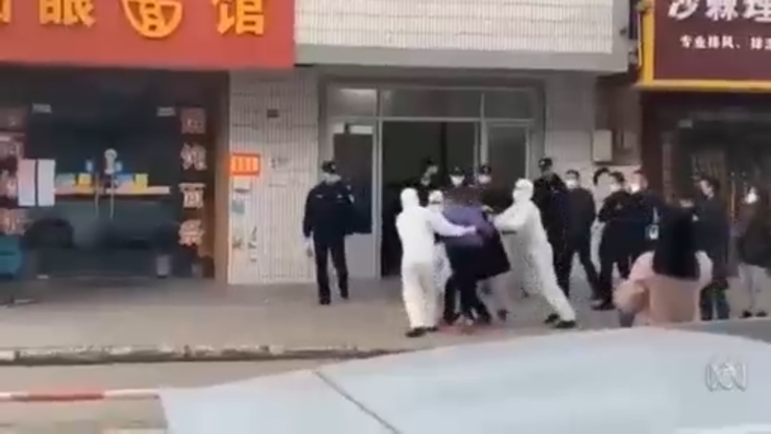
An Australian documentary team used user-generated footage to create a film about Wuhan, the city at the epicenter of China’s COVID-19 outbreak. They used clips filmed on mobile phones that showed people with the virus being dragged into vans by police, and bodies left on the street and on hospital floors, using different tools to verify the material.
In 2001 GIJN was born, as investigative journalists from around the globe met for the very first time to share ideas, tips, and best practices to strengthen their reporting in a world where journalism was increasingly under threat.
Today the threat has multiplied, and at GIJN we find ourselves under the same pressures as our member organizations. Most urgently: available funding for investigative journalism has been impacted as some longtime funders who supported journalism in the past are no longer doing so or have closed. Yet our work continues, more important than ever before.
GIJN serves as the global hub for the world’s investigative reporters. Our core mission is to support and strengthen investigative journalism—with special attention to those from repressive regimes and marginalized communities.
We are embarking on our first-ever campaign initiative to help us expand our revenue by the end of the year through individual donors. If you have ever joined one of our free webinars, used one of our free resources, learned a new skill thanks to a GIJN training, or simply believe that press freedom is essential to civil society, we ask you to show your support for GIJN’s work with a donation of your choosing. Called “Friends of GIJN,” this campaign includes a more personalized experience, starting in 2027, for individuals who answer the call to join with us during this unprecedented time.
Truth and democracy are under attack around the world. You can fight back by helping GIJN support investigative journalists with free access to the latest tools and techniques — so they can foster justice and hold accountable those who abuse the public trust.
With a staff based in 24 countries, GIJN works in a dozen languages each day, linking together the world’s most enterprising journalists, offering state-of-the-art training, webinars, tip sheets, and a Help Desk that responds to 2,000+ requests for assistance each year. More than 84% of GIJN’s operating budget goes directly to our program work.
Please make a gift today to support journalists on the front lines of the fight for accountability and human rights.