

Reporting Tools & Tips
New AI and Large Language Model Tools for Journalists: What to Know
At the 2024 NICAR conference, data experts grappled with the broader question of when and how AI is appropriate to use in newsrooms.
At the 2024 NICAR conference, data experts grappled with the broader question of when and how AI is appropriate to use in newsrooms.
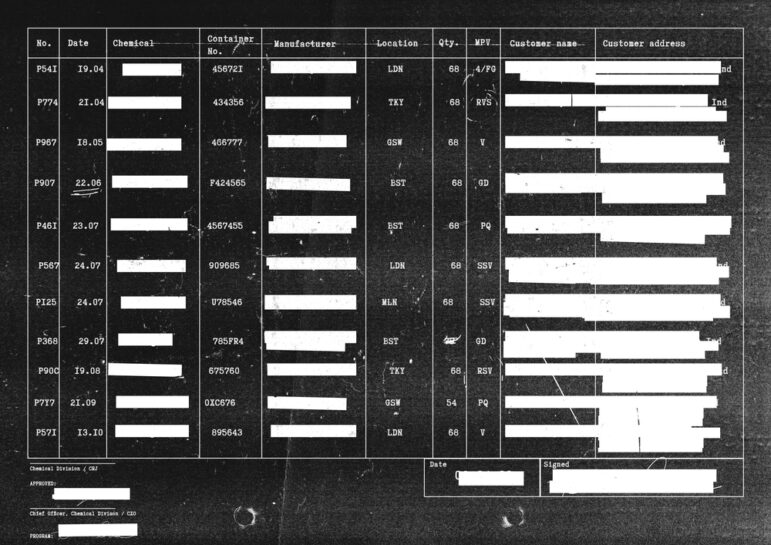
DocumentCloud now includes many more cutting-edge functions — which include extracting personal identification information embedded in large files, importing data from programs like Google Drive, transcribing YouTube audio, and even peering through weak blackout redactions.
What’s the global data journalism community tweeting about this week? Our NodeXL #ddj mapping from August 26 to Sept 1 finds The New York Times examining the massive amount of digital trackers that follow an individual’s web activity, The Washington Post looking at the stress on global water resources, Data Visualization Society announcing the first #VizRisk challenge winners, and Datajournalism.com sharing tips on how journalists can learn to code.

With the global spread of data journalism, the advent of artificial intelligence and the increasing use of big data moving alongside a rapid rise of disinformation, GIJN asked data journalism experts around the world what they anticipate for 2019. Here are their thoughts on the major trends, ideas and technologies that will affect how we do our jobs.
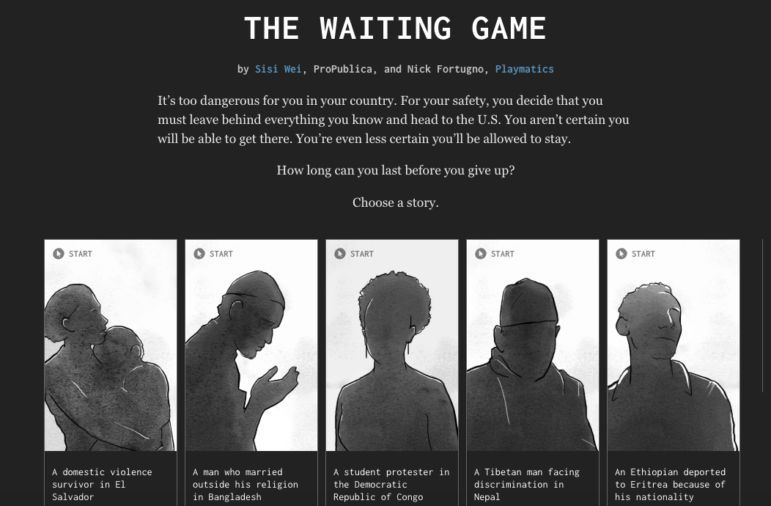
Video games and journalism have had a history — the melding of the two has been less successful in breaking news because of the fast turnaround. However, it has seen more successes in longer investigations that take more time to develop. ProPublica’s Sisi Wei shares the process behind the unit’s gamification of five asylum seekers’ stories.

If you didn’t make it to Seoul for this year’s Uncovering Asia conference — or couldn’t be at two panels at the same time — never fear, tipsheets from our impressive speakers are here! But just in case you can’t decide where to start, here are five presentations that are definitely worth checking out.
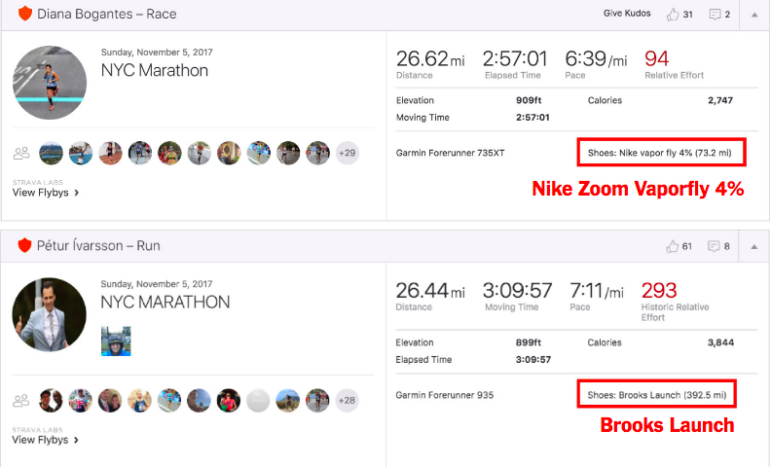
What’s the global data journalism community tweeting about this week? Our NodeXL #ddj mapping from July 16 to 22 finds @UpshotNYT confirming Nike’s claim that their Vaporflys really do give runners an advantage, @FinancialTimes visualizes Trump’s escalating trade war, Britain’s digital divide and introduces their new charting tool and @MilesMcBain makes some data journalists very happy by creating Datapasta.
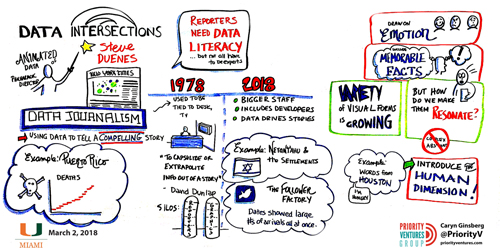
What’s the global data journalism community tweeting about this week? Our NodeXL #ddj mapping from March 19 to 25 finds a sobering study on income inequality between black and white males visualized by @nytimes, a cool time-lapse graphic of snow fall in the United States by @PostGraphics and peak baby-making seasons by country by @VismeApp and @ddjournalism.

What’s the global data journalism community tweeting about this week? Our NodeXL #ddj mapping from Sept 4 to 10 has @FastCoDesign bringing the #EndtheRainbow argument to the fore, @puddingviz analyzing driving times to abortion clinics in the US and @nsuwatch dissecting a trial involving a German terrorist organization by the numbers.

Collaboration with newsroom developers and journalists is key to improving journalism. Hackastory spoke to 19 newsroom developers and journalists around the world for their best advice. Here are their top tips.
In 2001 GIJN was born, as investigative journalists from around the globe met for the very first time to share ideas, tips, and best practices to strengthen their reporting in a world where journalism was increasingly under threat.
Today the threat has multiplied, and at GIJN we find ourselves under the same pressures as our member organizations. Most urgently: available funding for investigative journalism has been impacted as some longtime funders who supported journalism in the past are no longer doing so or have closed. Yet our work continues, more important than ever before.
GIJN serves as the global hub for the world’s investigative reporters. Our core mission is to support and strengthen investigative journalism—with special attention to those from repressive regimes and marginalized communities.
We are embarking on our first-ever campaign initiative to help us expand our revenue by the end of the year through individual donors. If you have ever joined one of our free webinars, used one of our free resources, learned a new skill thanks to a GIJN training, or simply believe that press freedom is essential to civil society, we ask you to show your support for GIJN’s work with a donation of your choosing. Called “Friends of GIJN,” this campaign includes a more personalized experience, starting in 2027, for individuals who answer the call to join with us during this unprecedented time.
Truth and democracy are under attack around the world. You can fight back by helping GIJN support investigative journalists with free access to the latest tools and techniques — so they can foster justice and hold accountable those who abuse the public trust.
With a staff based in 24 countries, GIJN works in a dozen languages each day, linking together the world’s most enterprising journalists, offering state-of-the-art training, webinars, tip sheets, and a Help Desk that responds to 2,000+ requests for assistance each year. More than 84% of GIJN’s operating budget goes directly to our program work.
Please make a gift today to support journalists on the front lines of the fight for accountability and human rights.