

How They Did It
Uncovering Syria’s Stolen Children
This collaborative investigation brought together international and local journalists to reveal how the Assad regime used a global childcare charity to aid the disappearance of children.
This collaborative investigation brought together international and local journalists to reveal how the Assad regime used a global childcare charity to aid the disappearance of children.
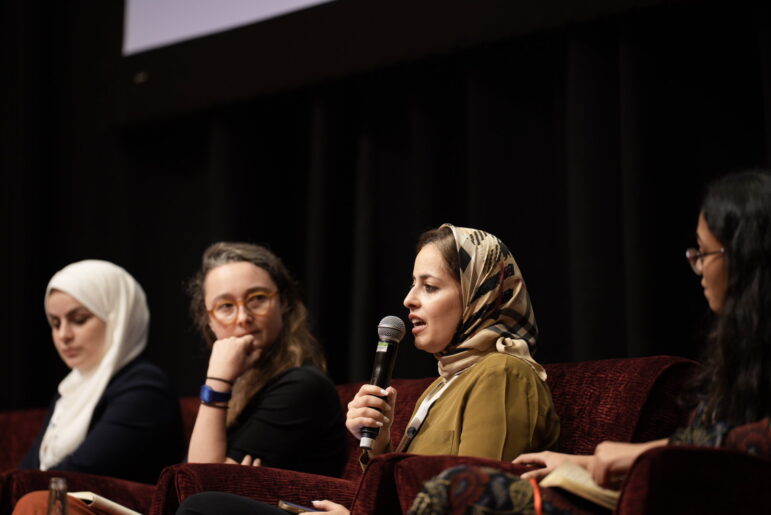
Journalists have used local reporting, open source analysis, and forensic reconstruction to verify events happening on the ground in Gaza, allowing them to challenge official narratives and preserve evidence for future accountability.
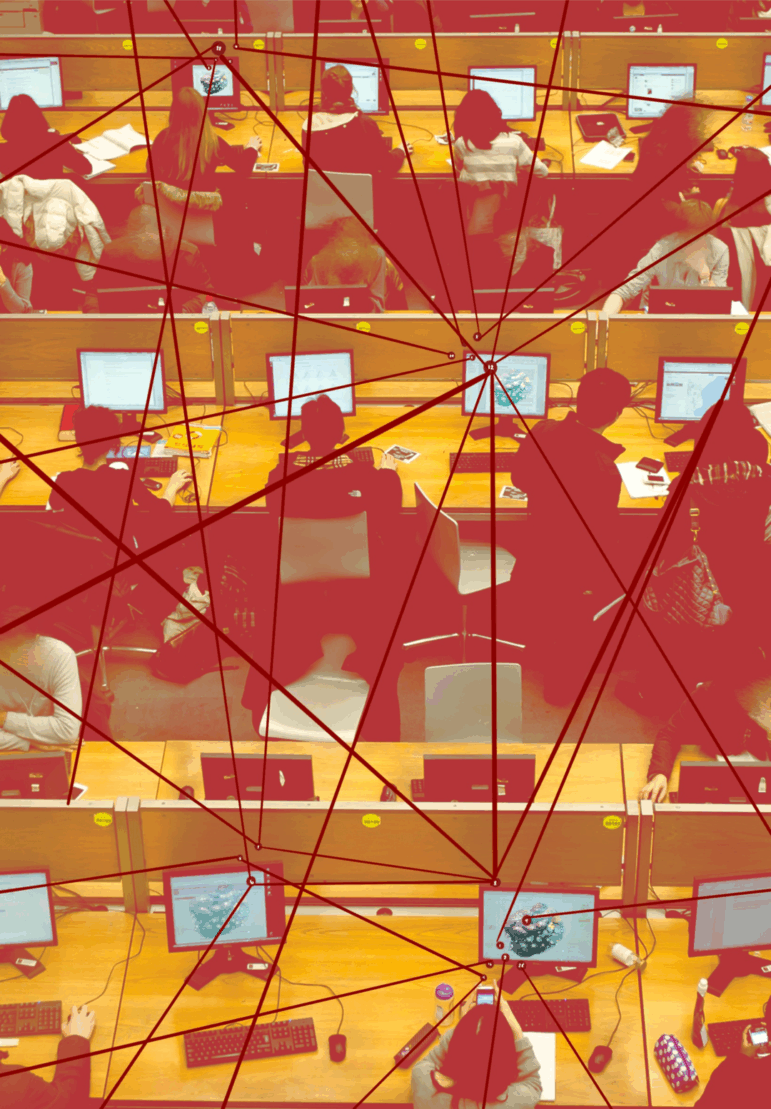
Speakers at this GIJC25 session dismantled the myth that offshore finance is inaccessible or unknowable and argued that the real barrier is not secrecy alone, but confidence, skill, and persistence.
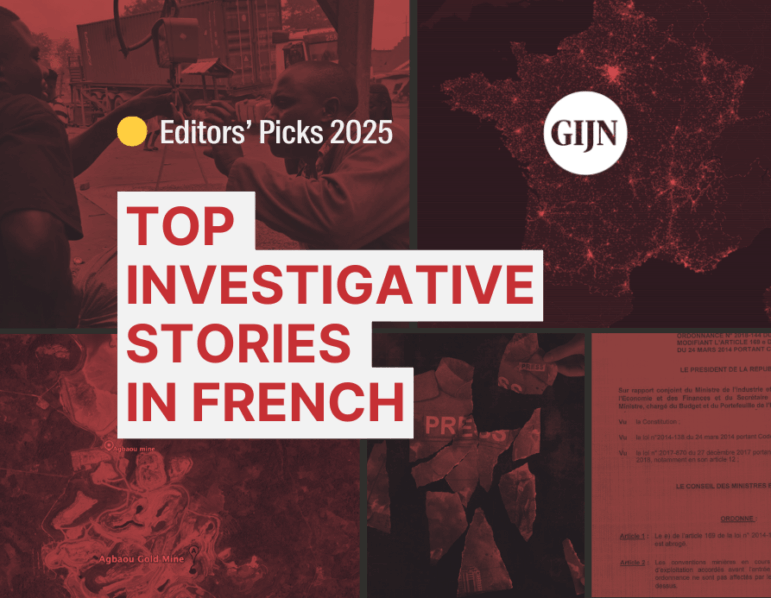
Featuring stories from France to Tunisia, Canada to DR Congo, touching on allegations of abuses in the labour chain, corruption, and investigations into gold mining.

Direkt36 co-founder Andras Petho speaks about how an investigative documentary became a rare viral success, what it revealed about Viktor Orban’s Hungary, and what other small newsrooms can learn from its impact.

This GIJC25 panel discussion surfaced a set of unresolved questions about what investigative journalism can sustainably support — and what it may need to leave behind.

Despite domestic threats to press freedom and power cuts and sleepless nights from Russian attacks, Ukrainian independent journalists continue their work with depth and skill.

Our round-up of the best in recent data journalism also highlights noise pollution in Singapore, India’s ditching of Bollywood romance movies, and a visual investigation into rocket debris.

Workers in East Africa and South Asia are now paid low wages to perform behind-the-scenes data tasks are used to power AI-driven facial recognition systems around the world.

One of India’s most renowned investigative reporters, Sarin has reported and edited stories digging into security, corruption, and money laundering.
Investigative newsrooms and humanitarian organizations have a number of things in common, often because they are motivated by a desire to contribute to a broader social mission.
Also featuring in-depth looks at the country’s expansive surveillance state infrastructure, a generation of disappearances, and one company’s massive riverside land grab.

Investigative reporters traced dangerously high lead contamination in Nigeria — revealing that recycled metal from used car batteries entered global supply chains linked to major US automakers.

Reporters exposing exploitation in the high seas use a combination of open source satellite imagery to track ships and documents to establish vessel ownership.

The authors, senior leaders at the Global Reporting Centre, write about the difficulties in changing from a fledgling start-up to a robust organization that is ‘set up to succeed.’

Also featuring exposés on sex-trafficking of workers in Dubai, secret mass deportations of Tunisians from the EU, and unlicensed addiction treatment centers in Egypt.
Also featuring deep dives into rampant worker injuries in automobile factories, health hazards from imported scrap tires, and the politicization of the national archaeological survey.

An editor can play a pivotal role in making or breaking a story’s impact. From narrowing complex stories to ensuring accuracy, great editing turns strong reporting into powerful journalism.

GIJN’s top stories from the past year, including cutting-edge reporting tools and techniques, in-person conference presentations, and analysis of the state of the IJ community.
Our roundup of standout data journalism from the past year highlights projects that delve into conflicts in the Middle East, Ukraine, and Africa, that explore the rise of AI, and interrogate global trade wars.
Investigative journalism in the country has shown remarkable resilience, depth, and impact despite operating under difficult conditions.

Highlights this year have included guides to investigating landfill emissions, detecting AI content online, digging into caste discrimination, and material to help reporters investigate possible war crimes.
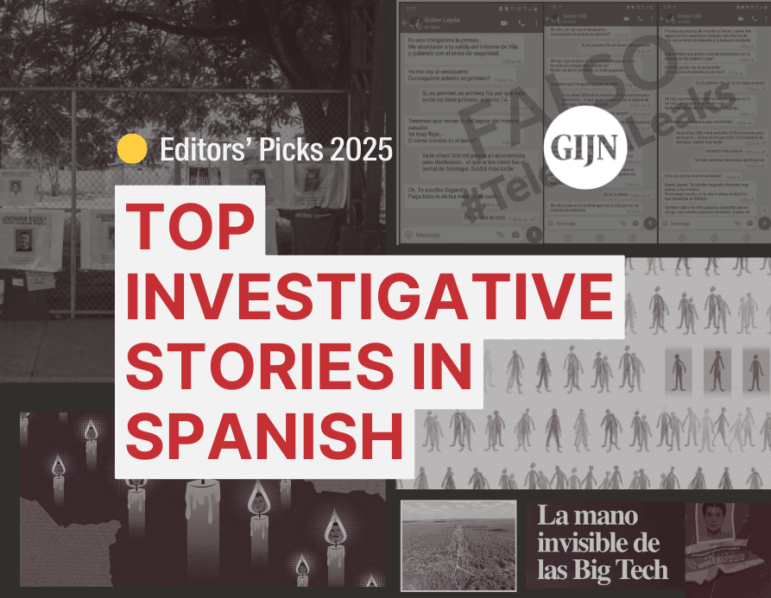
The investigative stories produced in the Spanish-speaking world this year show a vibrant journalistic landscape, despite the many challenges reporters now face in many places.
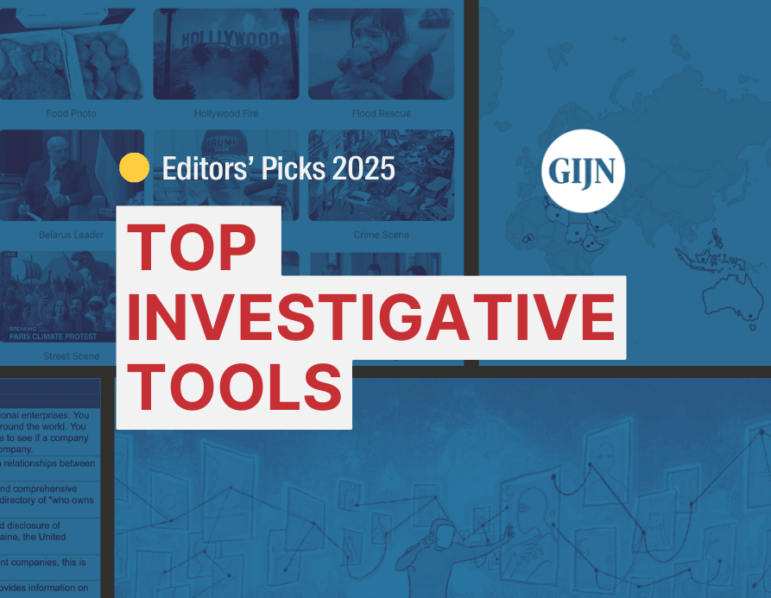
In a year that kleptocracy and attacks on independent media spiked, investigative reporters harnessed a mix of new databases and innovative tools to hold bad actors accountable.

Archives are a powerful way to expose historical abuses — from war crimes to broken government promises — by preserving fragile evidence and turning it into a verifiable, searchable record.
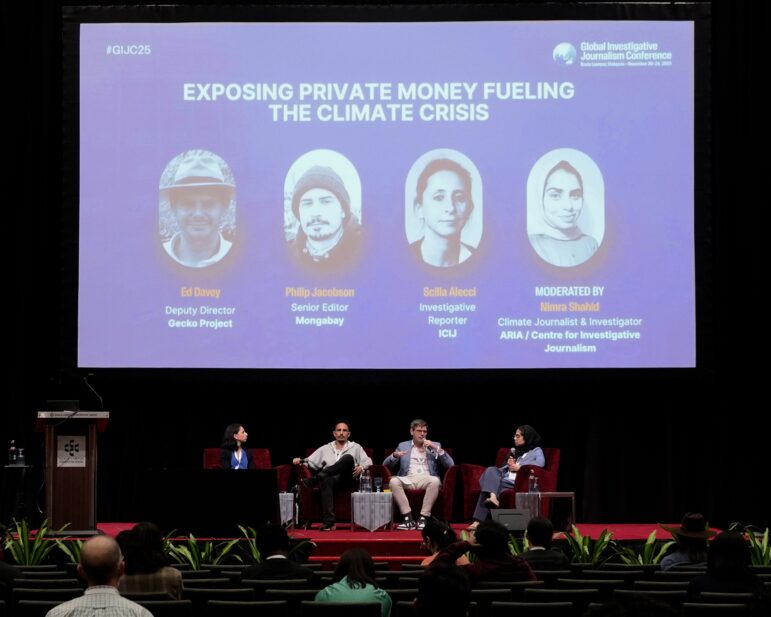
At this GIJC25 session, veteran environmental reporters offered strategies for unmasking the hidden owners, banks, politicians, and regulators quietly fueling climate change.

Watchdog reporters at AIJC offered tips for navigating the professional, emotional, and ethical complications of reporting stories that intersect with your personal life.

An expert panel at GIJC25 described the multi-layered criminal infrastructures behind online gambling, and offered practical tactics to help reporters expose those networks.