

Resource Guide
GIJN Guide to Investigating Foreign Lobbying
This reporting guide is designed for journalists worldwide — so they can research and produce compelling stories on how countries and companies seek to exert influence abroad.
This reporting guide is designed for journalists worldwide — so they can research and produce compelling stories on how countries and companies seek to exert influence abroad.

After five years and 2,875 project entries from more than 100 countries, the Sigma Awards have become a catalyst for innovation and forever changed the face of data journalism.

This seven-part Reuters series revealed how easily chemicals used to create fentanyl can be acquired — and the network of suppliers that make the illicit drug trade possible.

We also highlight an analysis of whether flying has become less safe, an investigation into a Philippine reforestation program, and the numbers behind the Eurovision song contest.

Whether it’s extracting names from footage, decoding social media posts, or reading distorted text in documents, Henk van Ess explains how free digital tools can take on these investigative tasks.
Pulitzer Prize-winning reporter Connie Walker discusses her favorite podcast tools, the ‘radical transformation’ of how Indigenous issues are covered, and building trust with sources.

Investigating caste issues is crucial for understanding India’s socioeconomic dynamics and addressing systemic inequalities.

Reporters and editors for two small Israeli outlets committed to investigative reporting detail how they report amid the heightened tensions related to the conflict.
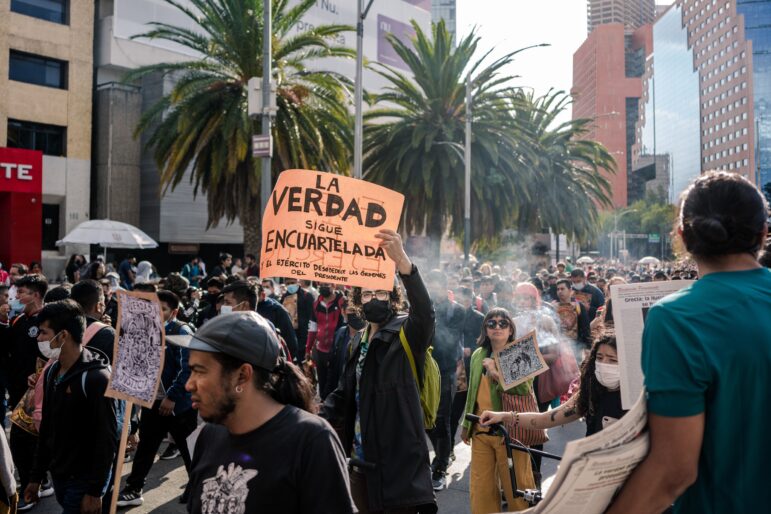
For decades, the work of INAI helped investigative reporters uncover hidden truths. They fear its abolition will hinder exposés on corruption and human rights abuses.

Developed by Brazilian media outlets in late 2024, the solutions are available free of charge to any journalistic organization inside and outside Brazil.