
Gold Mining Disasters, Lost Refugee Boats, AI-Powered Protest Crackdowns: Best Investigative Stories from Turkey in 2025
Read this article in
Investigative journalism in Turkey has shown remarkable resilience, depth, and impact this year, even though the operating conditions remain difficult and political pressures, limited access to information, and threats to press freedom all weigh heavily on the reporters working in this field.
The country is currently languishing in 158th position (out of 180) in the Reporters Without Borders World Press Freedom Index, with 90% of national media now under government control, “almost systematic online censorship, arbitrary lawsuits against critical media outlets, and the exploitation of the judicial system” all posing serious challenges for independent reporters, the RSF report noted.
But as the stories chosen for this list demonstrate, in everything from digging into environmental disasters to investigating human rights abuses, and from exposing financial corruption to uncovering digital surveillance, independent reporting still remains a vital presence in the country.
Standout environmental reporting this year includes a multi-part investigation into the lack of oversight and resulting disasters at a gold mine in eastern Turkey and a deep look at corporate lobbying to water down EU regulations on so-called forever chemicals.
Investigations into social and institutional crises in Turkey include one on a crisis of suicide among police officers, alleged sexual misconduct in the nonprofit sector, and an exposé into money laundering. An investigation into neglect and abuse suffered by Ukrainian orphans brought to Turkey revealed shortcomings in humanitarian aid projects. Finally, investigations into digital surveillance, such as AI-powered protest monitoring and on EU-funded surveillance technologies, underscore the tension between technological advancement and civil liberties.
Across these stories, a common thread emerges: investigative journalists play an essential role in exposing abuses, protecting democratic values, and ensuring that public accountability extends to the powerful and the vulnerable alike. These 2025 investigations are a testament to both the courage and the craft of the country’s investigative reporters.
The Story of Two Villages in İliç: Çöpler and Sabırlı
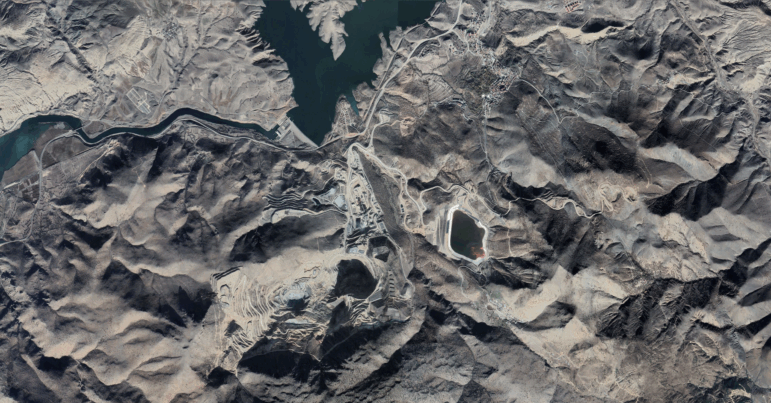
Image: Screenshot, T24
This multi-part investigation by Ortak’s investigative journalism team and published by online newspaper T24 is the product of months of fieldwork. Its comprehensive reporting on the Erzincan-İliç Çöpler gold mine reveals a lack of effective government oversight, the social impact of the mine on nearby villages, and an investigation into the causes of a landslide in February 2024 that claimed the lives of nine workers.
Reporters use the intertwined story of two villages — Çöpler and Sabırlı — to delve into the impact of the mining operation. A turning point, they pointed out, came after a cyanide leak that polluted land near the Euphrates river. Although the mine was shut down for 88 days after the leak was detected, operations resumed in September 2022 — despite persistent objections from residents and experts.
The reporters conducted more than 100 interviews with residents, with workers and former employees of the gold company and its subcontractors; with ministry officials and local administrators responsible for oversight; and with experts tracking mining activities across Turkey. Location-based before-and-after maps allowed the team to document how the region’s landscape has been historically transformed. A network analysis map showed the relationships between all the actors involved — such as contractors, subcontractors, companies, and individuals.
As a result of the investigation, prosecutors have opened criminal investigations for negligent homicide and environmental crimes, and civil society organizations have filed complaints. The issue has been discussed in Parliament, and the mine is currently non-operational — the future of the project is uncertain.
Inside the Lobbying Effort to Sway the EU on PFAS ‘Forever Chemicals’
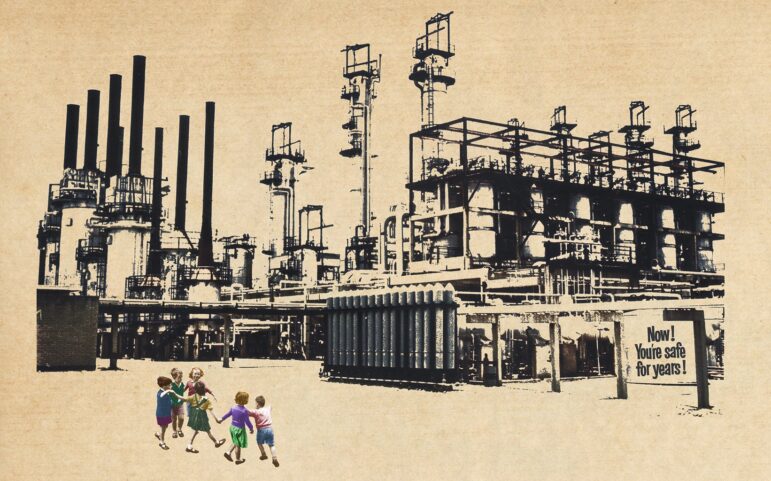
Image: Screenshot, Stéphane Horel (“Now, you’re safe for years,” 2024), The Black Sea
This investigation by independent nonprofit outlet The Black Sea explored the Turkish entities involved in an extraordinary lobbying effort to influence European Union lawmakers as they mull over a ban on “forever chemicals.” Per- and polyfluoroalkyl substances (PFAS) are synthetic chemicals linked to health and environmental harms because they do not break down in nature. This report reveals a far-reaching and highly coordinated attempt by PFAS manufacturers and industrial users to influence EU regulators at a critical moment — as the bloc considers a historic ban on thousands of PFAS compounds.
The investigation suggests companies have misrepresented scientific data, deployed disinformation strategies, and engaged in extensive political lobbying to weaken or delay restrictions designed to curb exposure to PFAS. In Turkey, PFAS contamination is evident but poorly documented. The investigation found that the chemicals have been detected in rivers, lakes, fish, and even drinking water, while several regions show signs of potential long-term pollution.
Turkey’s AI-Powered Protest Crackdown
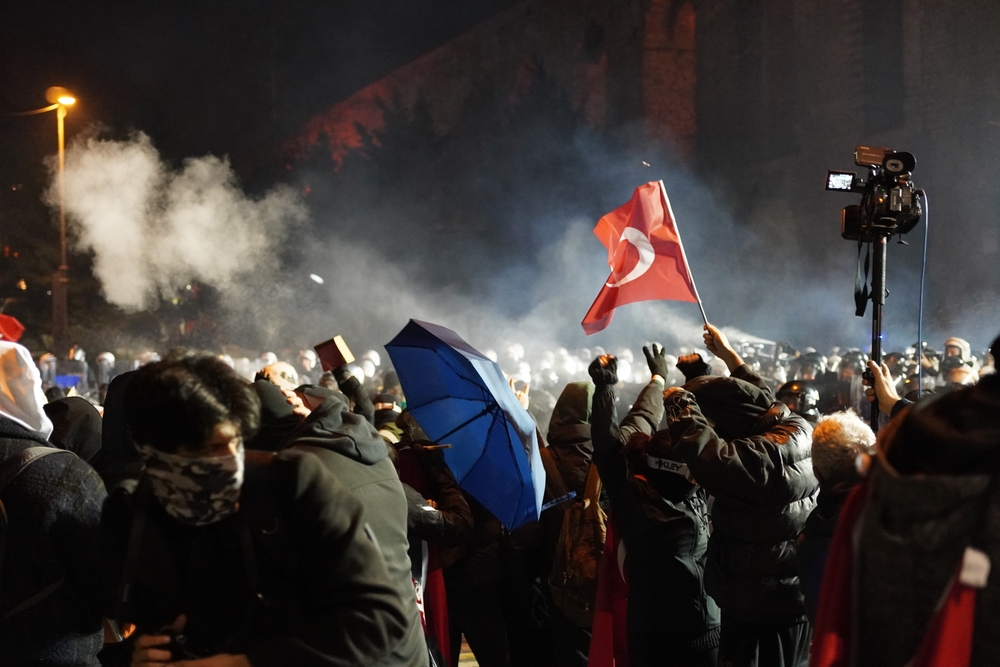
Protests following the arrest of the Istanbul mayor Ekrem İmamoğlu were met with sweeping detentions. Image: Shutterstock
This investigation in New Lines Magazine exposed how Turkish authorities are expanding AI-driven surveillance and facial recognition policing while circumventing legal safeguards designed to protect basic rights.
After the arrest of Istanbul mayor Ekrem İmamoğlu in March 2025, nationwide protests were met with sweeping detentions: roughly 2,000 people were taken into custody, and 239 were formally imprisoned. This story notes that protesters were frequently identified through police-operated facial recognition systems, street cameras, body-worn devices, and social media footage. In many cases, the mere act of being physically present at a demonstration — or even wearing a medical mask — was treated as incriminating evidence.
The investigation details how Turkey has rapidly expanded this surveillance architecture. The findings — obtained by combining witness testimony with documentary evidence and cross-referencing official procurement and police reports — reveal a pattern: hundreds of protesters detained in early-morning raids; dozens prosecuted and held in pretrial detention although authorities presented no credible evidence of weapons, violence, or criminal intent. What emerges, the investigation argues, is a systemic “surveillance-and-prosecution machine” that converts ordinary civic participation into criminal liability.
Charity Boss Arrest in BBC Sex-for-Aid Investigation
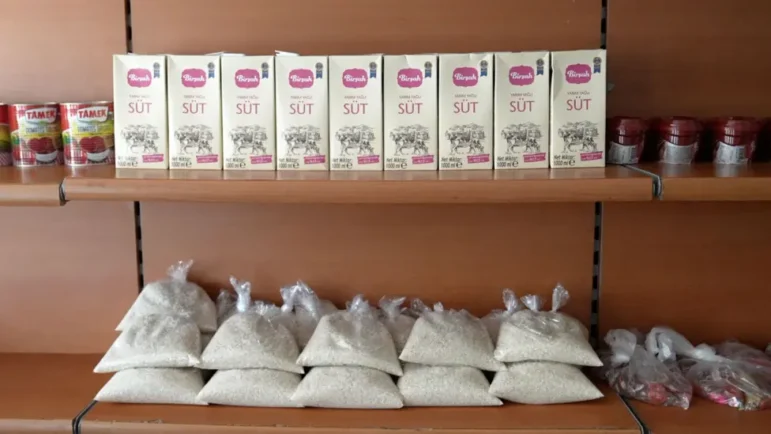
Image: Screenshot, BBC
This BBC News Turkish investigation led to the arrest of the head of a refugee aid charity in Ankara, after multiple Syrian women accused him of sexually exploiting them in exchange for aid. The women — who approached his organization, Umut Yardımlaşma Derneği, in moments of extreme vulnerability — said that while the aid official initially presented himself as a benefactor, he later used their desperation to coerce, intimidate, and assault them.
In the report, three women shared detailed accounts of harassment and assault, alleging that he groped them, forced unwanted contact, tried to coerce sexual acts, and threatened to have them deported if they resisted. Their testimonies were echoed by seven additional individuals, including former employees, who said they witnessed or heard about similar abuse occurring between 2016 and 2024. Despite past allegations, earlier cases were dropped because the alleged victims were too afraid to file formal complaints.
Following the BBC’s investigation, more women came forward, providing testimonies that resulted in formal charges and the man was subsequently arrested and is now awaiting trial in jail. He denies the allegations, insisting that his charity has helped tens of thousands of refugees over the past decade and suggesting a medical condition he has made some of the allegations implausible.
The Lost Boat
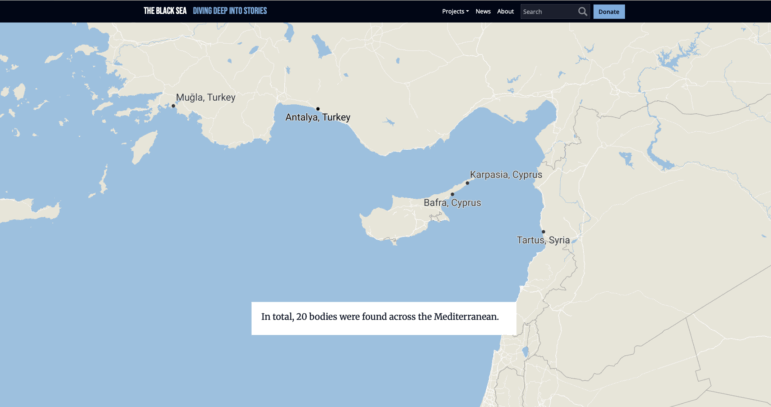
Image: Screenshot, The Black Sea
In December 2023, four boats carrying Syrian migrants set off from the Lebanese port city of Tripoli. Three of them managed to reach Cyprus. The fourth — the Princess Lulu — carrying 85 people, including 35 children, vanished in the night. Despite desperate pleas from families, warnings from volunteer monitoring networks, and final messages sent by passengers, no search-and-rescue operation was launched, and no official investigation was opened. Weeks later, bodies started washing ashore. Around 20 corpses were found along the coasts of Turkey, northern Cyprus, and Syria.
During fieldwork in Turkey, Cyprus, and Lebanon, The Black Sea team reached the relatives of the missing as well as key figures within the smuggling networks. The investigation revealed a multi-layered trafficking chain in Tripoli, in which families paid thousands of dollars; a last-minute crew change; a poorly maintained and faulty vessel; and suspicions — raised by some witnesses — that the boat may have been carrying drugs. Smugglers tried to stall families in the early days by claiming “everyone made it to Cyprus,” while attempting to release the cash deposits they still held. The passengers’ final videos show people clinging to unsafe rubber rings. Dozens of families are still waiting for answers and accountability.
Behind the Scenes of Money Laundering Operations
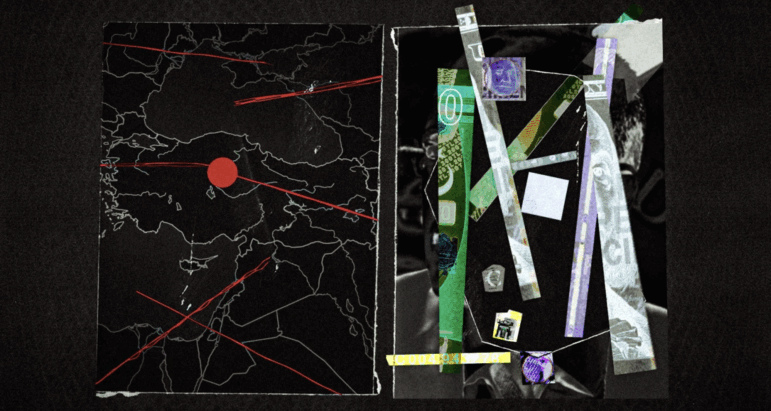
Image: Screenshot, Fayn
This Fayn Press investigation exposed the structures and processes of money laundering in Turkey and provides an in-depth look at how the state and private sectors intersect. A beauty salon owner and her husband, known for their flashy lifestyles on social media, are reported to be at the center of these operations and face several charges related to alleged money laundering, illegal gambling, and tax violations. They have both denied the accusations. Prominent companies in the fintech, luxury hotel, and media fields are also implicated.
The team started by looking at publicly available court records and procurement data and cross-referenced these documents with corporate registries, offshore databases, and leaked materials to uncover ownership structures, proxy companies, and political connections, using digital mapping tools to connect these complex relationships. The investigation highlighted the 2016 Asset Amnesty Law as a factor that has made Turkey an attractive hub for laundering, with billions of dollars from illegal activities such as drug and human trafficking, smuggling, gambling, prostitution, and organ trade reportedly being funneled into the economy.
Police Suicides in Turkey
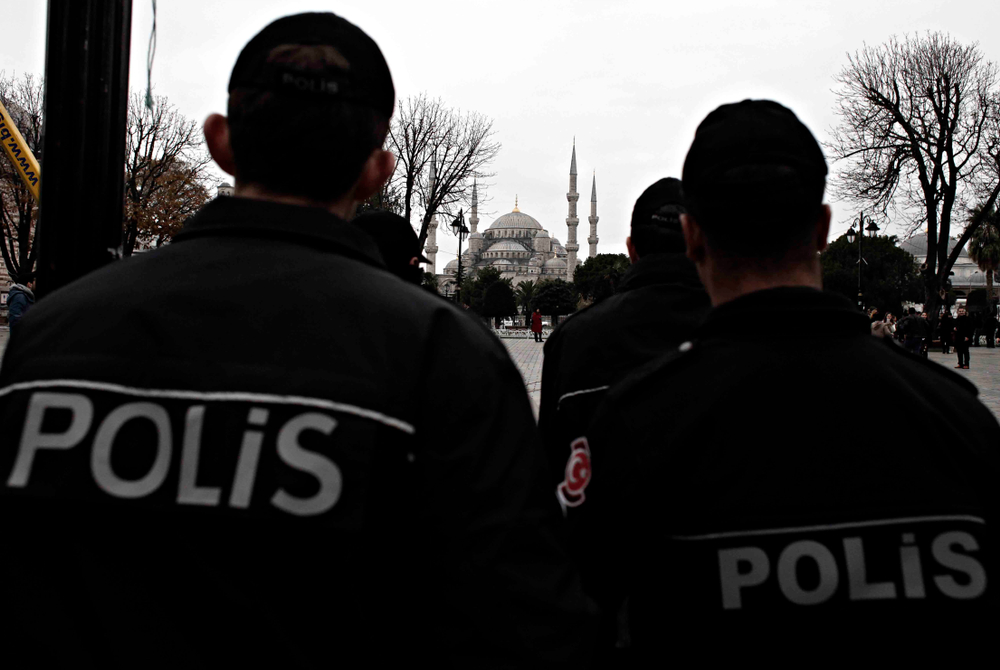
Image: Shutterstock
This three-part investigation for the online news media site Kısa Dalga revealed that there has been a sharp rise in police suicides in Turkey in recent years, and delved into the shortcomings of official inquiries and the institutional dynamics that allow the crisis to persist. According to official figures, more than 450 police officers have taken their own lives in the past five years, and over 1,000 in the past two decades — yet most cases are swiftly closed without any meaningful investigation.
Part 1 of the report outlined the scale of the problem, the increase in the number of suicide cases, and the many unanswered questions raised by families. Part 2 examined how suicide cases are improperly handled, with phone records and witness statements not properly reviewed; and commanding officers rarely facing consequences for problems among their staff. Part 3 showed that police suicides do not stem from a single cause but from a “chain of exhaustion.” Low wages, soaring rents, grueling shift systems, command pressures, and unlawful orders, all contribute — with the investigation underscoring how police suicides are the result of structural problems, not individual ones.
The New Face of Climate Disinformation
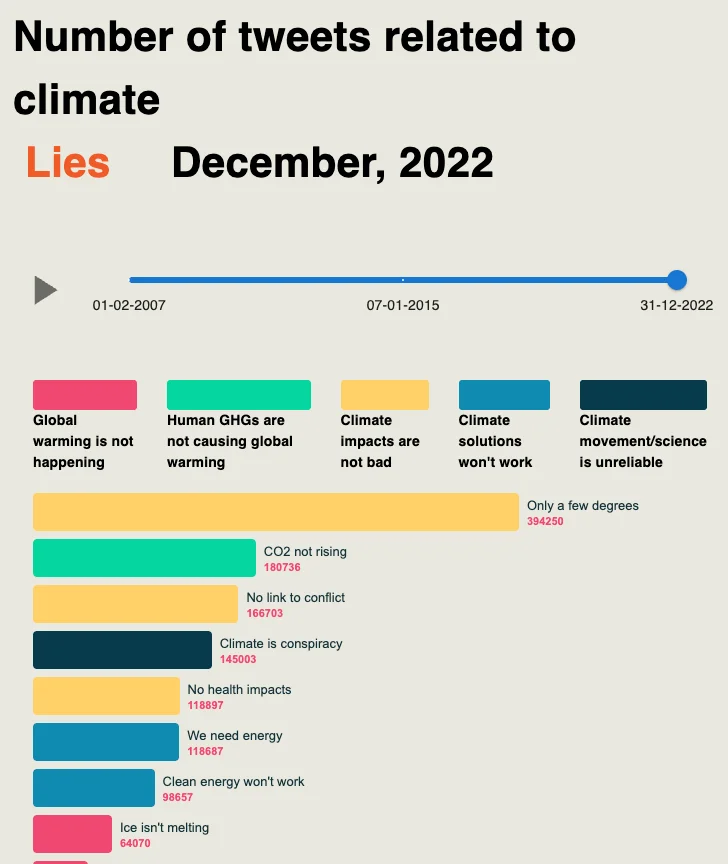
Image: Screenshot / Teyit
This report by the Turkish fact-checking organization Teyit highlighted how bots, troll networks, and algorithm-driven content flows amplify climate denial, eroding public trust in science and directly weakening climate action. It focused particularly on the policies of platforms such as X, YouTube/Google, Meta, and TikTok, revealing a significant gap between the official rules these companies proclaim and how they are implemented in practice. The team found that while some platforms have developed policies to curb climate disinformation, their effectiveness remains limited. For example, mechanisms like X’s Community Notes often label a false statement as misinformation only after it has already spread, while Meta’s termination of independent fact-checking collaborations in the US in 2025 further weakened oversight.
The investigation drew together analyses of platform policies and enforcement, academic research, and monitoring of algorithmic behavior, and found that social media platforms have been inconsistent and largely ineffective in combating climate disinformation.
Chain of Neglect and Abuse Targeting Ukrainian Orphans Brought to Turkey
Under the Childhood Without War project run by a Ukrainian charitable foundation, 510 children were transferred from orphanages in eastern Ukraine to Turkey in 2022 and temporarily housed in a hotel in Antalya. After reporters from Ukrainian outlet Slidstvo, Investigate.cz, and OCCRP published an article based on a monitoring report from Ukraine’s Ombudsman Office that described conditions at the hotel, a team at Turkish weekly newspaper Agos conducted its own series of investigations into the issue. They found that the children’s basic needs, including shelter, nutrition, hygiene, medical care, and security, were not adequately met. Observations from oversight teams suggested systematic neglect, and more serious claims concerned sexual abuse and forced labor. The investigation reported that at least two hotel staff members were accused of engaging in sexual relations with underage girls, resulting in pregnancies, after which the children were sent back to Ukraine. Additionally, children were allegedly forced to perform tasks such as cleaning, caregiving, and assisting disabled peers — responsibilities far beyond their age. One child disappeared.
In an interview with Slidstvo, the Ukrainian businessman behind the organization stated that he and his team had “done the best possible job under difficult circumstances” and that the conclusions of the Ombudsman’s report were “faulty.”
The impact of this investigation was far-reaching. In Turkey, many outlets picked up Agos’ reporting; authorities announced that the hotel would face further scrutiny; and the Turkish ministry in charge of child welfare opened an investigation. But official inquiries in both Turkey and Ukraine have since closed, citing insufficient evidence.
Turkey Ramps up Surveillance of Its Citizens — With a Hand from Brussels
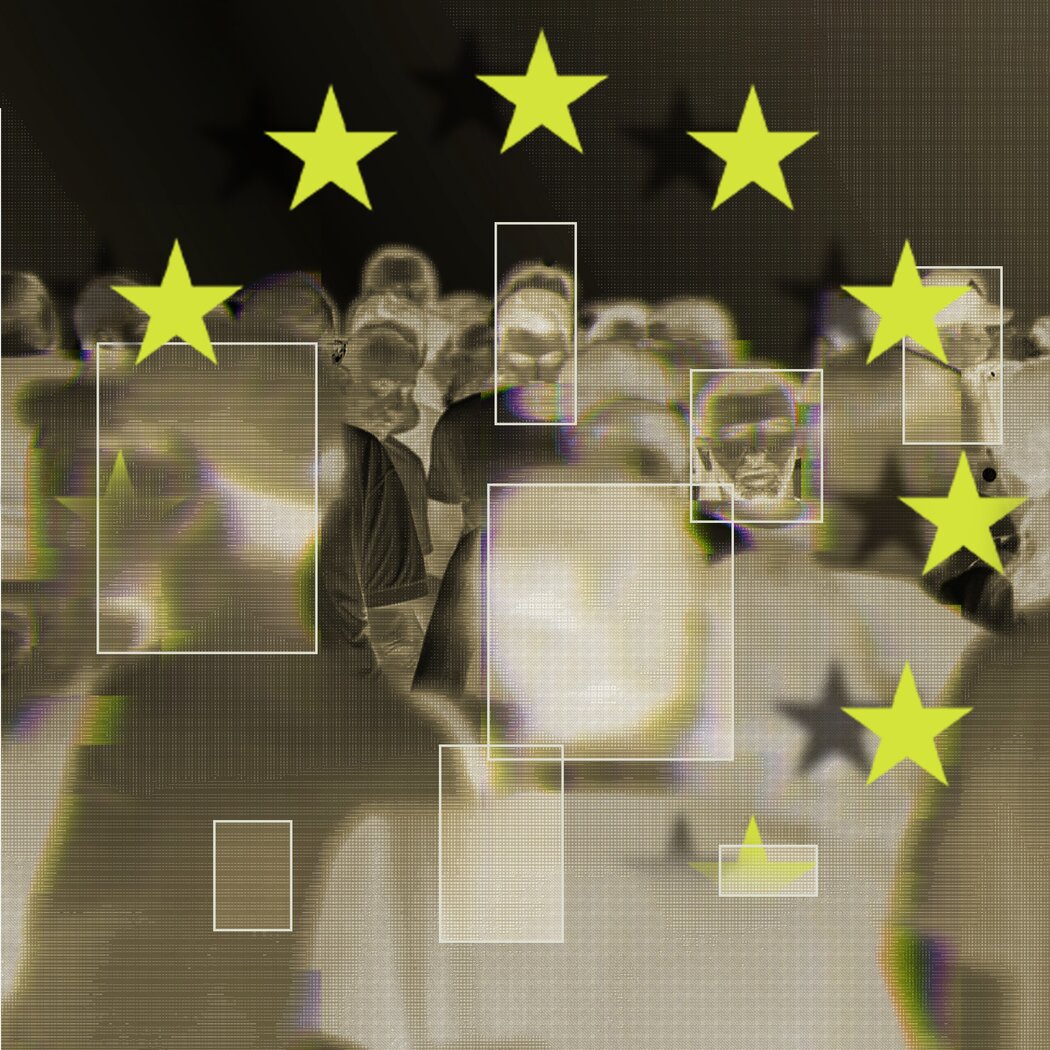
Image: Screenshot / Follow the Money
This Follow the Money investigation examined how some firms supplying surveillance and facial recognition technology to the Turkish government are — or have been — recipients of European Union research funds, raising serious questions about whether EU money indirectly supports authoritarian surveillance. The investigation analyzed police reports, court documents, government tenders, company financial reports, and EU funding databases, and included interviews with protestors, lawyers, human‑rights experts, and a member of the European Parliament.
Reporters found evidence of several Turkish firms that had previously received EU research funds, providing technologies used to monitor and prosecute anti-government protesters. The report suggests that European taxpayers’ money may be contributing — even indirectly — to surveillance infrastructure that suppresses dissent and civil liberties in a non‑EU country.
 Pınar Dağ is the editor of GIJN Turkish and a lecturer at Kadir Has University. She is the co-founder of the Data Literacy Association (DLA), Data Journalism Platform Turkey, and DağMedya. She works on data literacy, open data, data visualization, and data journalism and has been organizing workshops on these issues since 2012. She is also jury chairperson of the Sigma Data Journalism Awards.

Guide: Introduction to Investigative Journalism
GIJN Reporter’s Guide to Investigating War Crimes

Uğur Mumcu: The Foundation Continuing the Legacy of an Assassinated Turkish Investigative Reporter

GIJN Bookshelf: Investigative Titles for Your 2022 Reading List

‘Obsession Is What Investigative Journalism Is Really About’
Investigating Illegal Mining: Tips on Angles, Sourcing, and Post-Publication

Investigating Mining, Tracking Trolling, and Deconstructing a Building Collapse: 2024’s Best Investigative Stories from Turkey

How We Uncovered the Asbestos Dangers Lurking in Turkey’s Earthquake Zone

This work is licensed under a Creative Commons Attribution-NoDerivatives 4.0 International License
Republish our articles for free, online or in print, under a Creative Commons license.
Republish this article
This work is licensed under a Creative Commons Attribution-NoDerivatives 4.0 International License
Read Next
10 Questions
‘Obsession Is What Investigative Journalism Is Really About’
The investigative journalist — who has covered topics from ISIS to troll armies — talks to GIJN about his novel reporting methods and keeping investigative journalism alive in Turkey.
GIJC25
Investigating Illegal Mining: Tips on Angles, Sourcing, and Post-Publication
Experts on reporting on illegal mining in Zimbabwe, Brazil, and Turkey shared tips on building sources on the ground, establishing trust, and telling a well-rounded story.
Editor's Picks News & Analysis
Investigating Mining, Tracking Trolling, and Deconstructing a Building Collapse: 2024’s Best Investigative Stories from Turkey
Investigative journalism in Turkey faces many challenges and obstacles, but there are remarkable reporters digging into untold stories.
How They Did It
How We Uncovered the Asbestos Dangers Lurking in Turkey’s Earthquake Zone
After a February 2023 earthquake ravaged southern Turkey, these reporters traveled to the region to investigate the health risks from the clouds of deadly asbestos dust that covered the landscape.