
Data Journalism Top 10
Extreme Heat in US Prisons, Tremors and Tsunamis, DRC’s Illegal Timber Trade, Shark Meat in Brazilian Schools
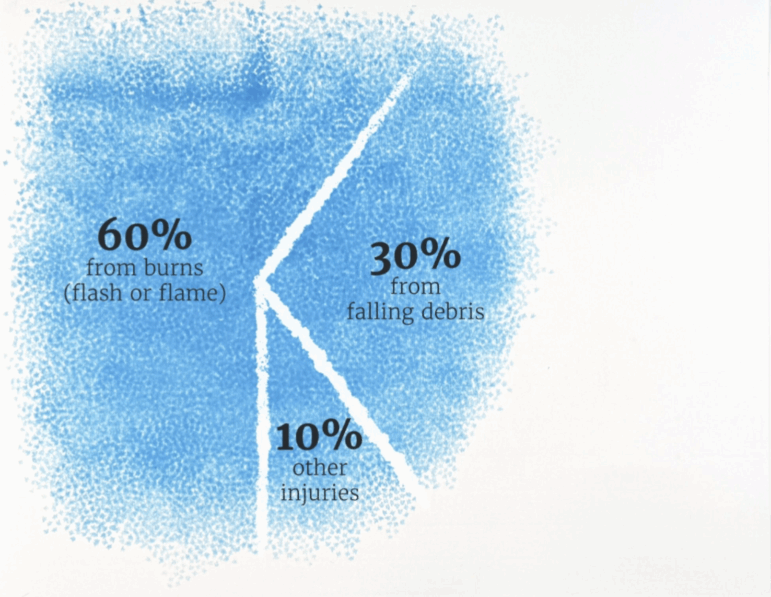
Our round-up of the best in recent data journalism also features stories from Southeast Asia and Gaza.
Our round-up of the best in recent data journalism also features stories from Southeast Asia and Gaza.
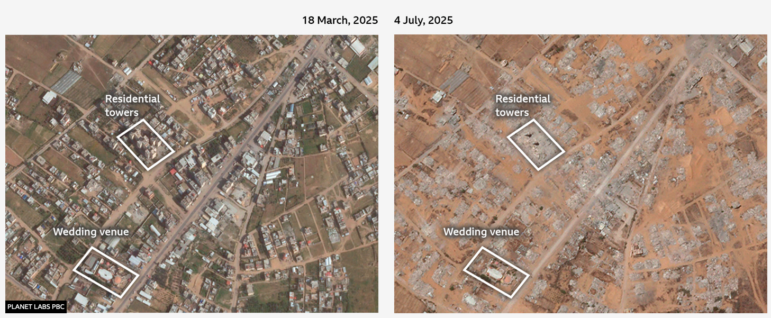
Our round-up of the best in recent data journalism also looks at the Argentinian president’s travels, drowning deaths in a Swiss river, and pro-Russian bot propaganda in Ukraine’s occupied territories.
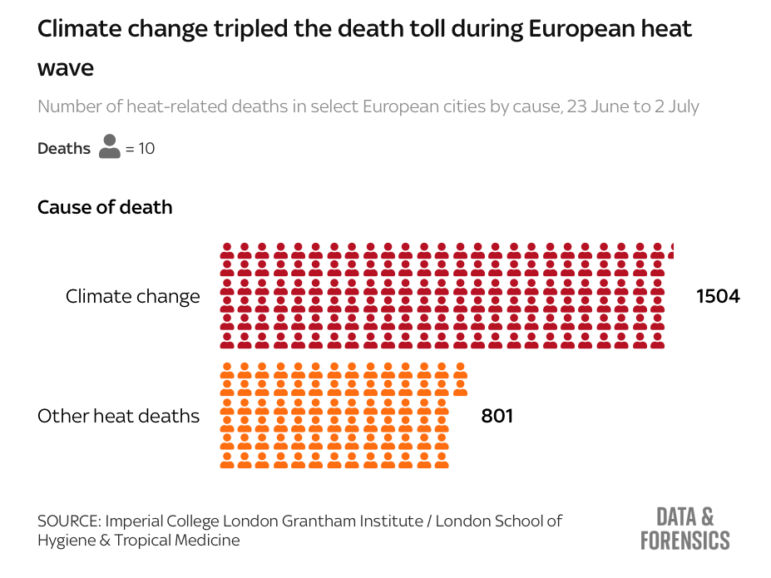
Also featuring stories on the world’s riskiest maritime shipping routes, sub-par cancer drugs exported across the globe, and uncovering “pig butchering” online scams in Myanmar.

Also featuring the data behind Russia’s efforts in Ukraine, why it’s so hard to ditch coal as an energy source, and a literary map of Rio de Janeiro.
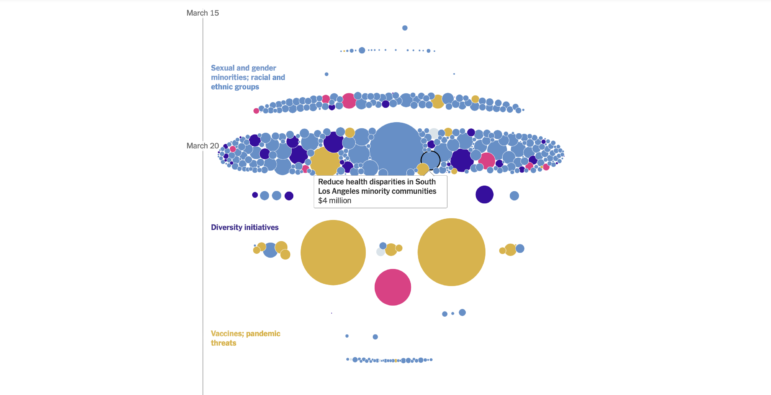
Our data journalism column also features medical research funding at risk in the US, a report on Antarctica, and an interactive that lets you ‘drive’ the Monaco Grand Prix circuit.
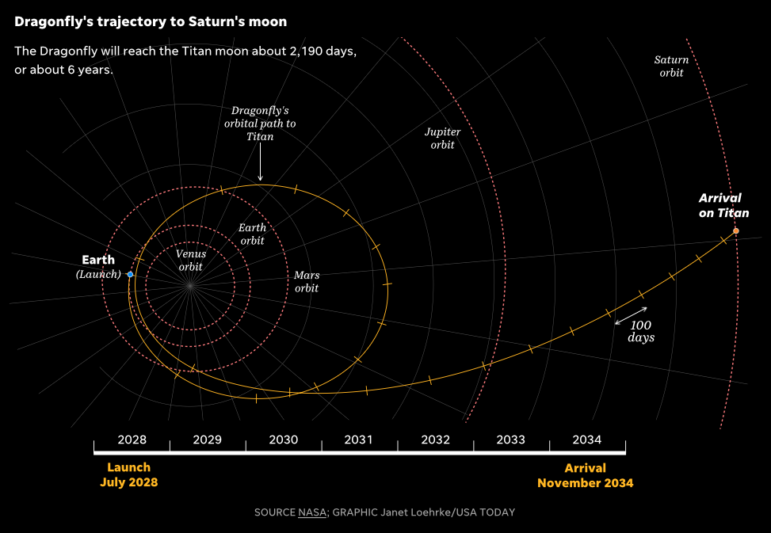
We also highlight an analysis of whether flying has become less safe, an investigation into a Philippine reforestation program, and the numbers behind the Eurovision song contest.
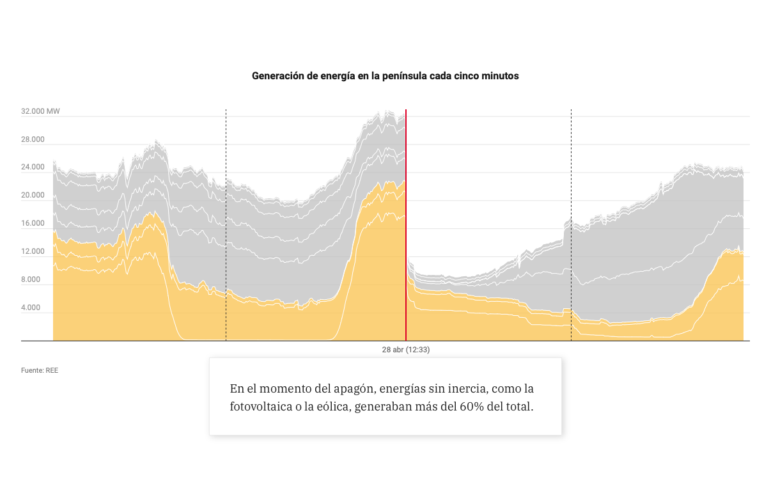
This Top 10 in Data Journalism column also highlights the death of a Ukrainian journalist in a Russian prison, Trump’s first 100 days, and India and Pakistan’s nuclear arsenals.

Also highlights how X influences Elon Musk’s government policy, the numbers behind the successful Danish toy maker Lego, and mapping the Sudan conflict.
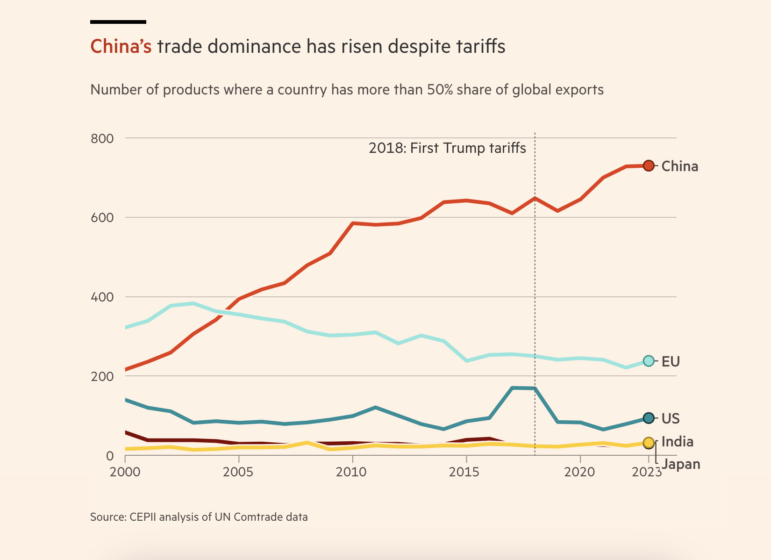
Also highlighting data investigations into oil exploration in the Amazon, women who travel for an abortion in Europe, and and how music is passed down through generations.

Also this week, a visual narrative on the 30th anniversary of the Tokyo subway sarin gas attack, a special feature on Ramadan, and the grim statistics of death prediction.

Our column also features stories on the history of African borders, Spain’s prisoner release algorithm, and the global impact of USAID funding cuts.

Also featuring: a comparison of German political parties, the secret fleet transporting sanctioned Russian oil, and an analysis of homes that survived the Los Angeles fires.

The latest edition of our Top 10 in Data Journalism column also highlights the risks of nuclear war, drought in the Amazon, and a guide to the upcoming Year of the Snake.

Our fortnightly column also highlights attacks on the LGBT community in Russia, fentanyl production in Mexico, and a NYT analysis of its own past travel recommendations.

Highlights from a year of data journalism columns, from elections to the Olympics and the evolution of the love song.

Also: the shifting frontlines in the Russia-Ukraine War, quantifying the worldwide funding gap to fight climate change, and mapping Central Asia’s disappearing Aral Sea basin.

Also: mapping crimes in Buenos Aires neighborhoods, Nigeria’s efforts to reduce carbon emissions, and tracking organ donation in Germany.

Also featuring a look at climate change’s impact on Japanese cuisine, an investigation into US parts used in Russian missiles, and a final progress report on Mexico’s outgoing president.

Also featured: the 51 men on trial for a case of shocking sexual violence in France, the wildfires raging in the Arctic, and gaming out a winning campaign for the US presidency.

Our weekly column of the best in data journalism features politics, environmental tragedies, and artificial intelligence.

This week’s Data Journalism Top 10 highlights an investigation into irregularities in the vote count during Nigeria’s 2023 elections; a timeline of tensions in the Middle East; and more.

Our latest column curates some of the best data journalism from around the world, with pieces about the Olympics, gambling in South Africa, and Spanish coastlines under threat.

Plus a story on Venezuela’s controversial election, an analysis of Europe’s tourist overload, and an investigation into the sketchy nature of the Amazon carbon credit market.

Also highlighting a deadly hostage rescue operation in Gaza, the private jet travel carbon emissions of France’s elite, and a brief history of Taiwan and China’s relationship through maps.

Also highlighting stories on gains and losses in recent elections from Europe to India, claims of copyright theft by AI companies, and Peru’s broken adoption process.

We also highlight a look at Sudan’s “forgotten” war, the microplastics seeping into our water and bodies, and how cocaine from Colombia reaches the world.

Also featuring threats to European groundwater, the impact of Soviet engineering on Ukraine’s Dnieper River, and workplace risks to South Korean food delivery drivers.

Also features an investigation into deforestation in the Bolivian Amazon; greenwashing in the Netherlands; and a look at Madonna’s popularity in Brazil.
In 2001 GIJN was born, as investigative journalists from around the globe met for the very first time to share ideas, tips, and best practices to strengthen their reporting in a world where journalism was increasingly under threat.
Today the threat has multiplied, and at GIJN we find ourselves under the same pressures as our member organizations. Most urgently: available funding for investigative journalism has been impacted as some longtime funders who supported journalism in the past are no longer doing so or have closed. Yet our work continues, more important than ever before.
GIJN serves as the global hub for the world’s investigative reporters. Our core mission is to support and strengthen investigative journalism—with special attention to those from repressive regimes and marginalized communities.
We are embarking on our first-ever campaign initiative to help us expand our revenue by the end of the year through individual donors. If you have ever joined one of our free webinars, used one of our free resources, learned a new skill thanks to a GIJN training, or simply believe that press freedom is essential to civil society, we ask you to show your support for GIJN’s work with a donation of your choosing. Called “Friends of GIJN,” this campaign includes a more personalized experience, starting in 2027, for individuals who answer the call to join with us during this unprecedented time.
Truth and democracy are under attack around the world. You can fight back by helping GIJN support investigative journalists with free access to the latest tools and techniques — so they can foster justice and hold accountable those who abuse the public trust.
With a staff based in 24 countries, GIJN works in a dozen languages each day, linking together the world’s most enterprising journalists, offering state-of-the-art training, webinars, tip sheets, and a Help Desk that responds to 2,000+ requests for assistance each year. More than 84% of GIJN’s operating budget goes directly to our program work.
Please make a gift today to support journalists on the front lines of the fight for accountability and human rights.