

World Cup 2026: Investigations, Data Dives, and Podcasts Covering the Global Football Tournament
How investigative and data journalists covered the world’s most popular sports event, from FIFA to footwear.
How investigative and data journalists covered the world’s most popular sports event, from FIFA to footwear.
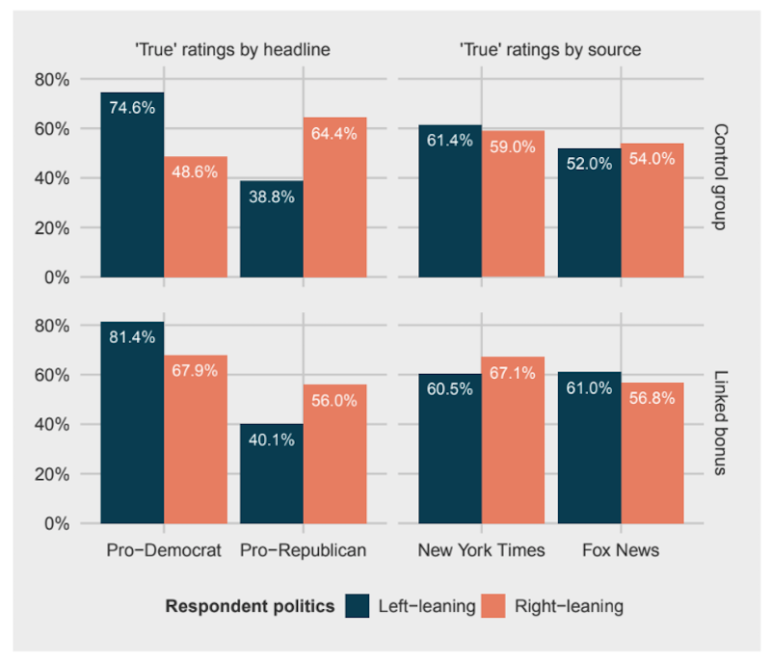
How often is social media used as a source in news stories? Can a decision tree algorithm generate tens of thousands of 250-word stories? And what is belief-driven data journalism? These questions were at the heart of some of the promising projects featured at the 2019 Computation + Journalism Symposium.

Changing the way accountability stories are written takes research, preparation, listening and even a bit of psychology. In an excerpt from from a recent American Press Institute report, here are some recommendations from experts about persuasion and communications — as well as examples from news organizations that are using non-narrative, data and visual elements to make the best of journalism better for audiences.
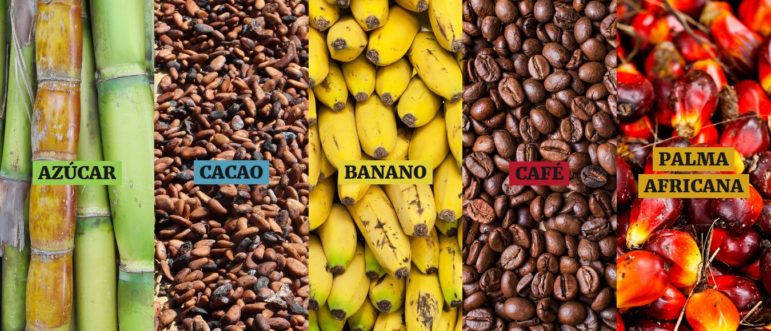
More than 20 journalists worked across four countries to uncover the hidden abuses behind the production of sugar, cacao, bananas, coffee and African palm with slave-like conditions for workers, illegal business practices and sustained environmental damage. Here’s how they did it.

What’s the data driven journalism (#ddj) crowd tweeting about? Here are the week’s Top Data Journalism Links on Twitter (for January 30-February 5). This week our links include items from HybLab, the Verification Handbook, and GIJN, among others. Thanks to Marc Smith of Connected Action for gathering the links and graphing them.