
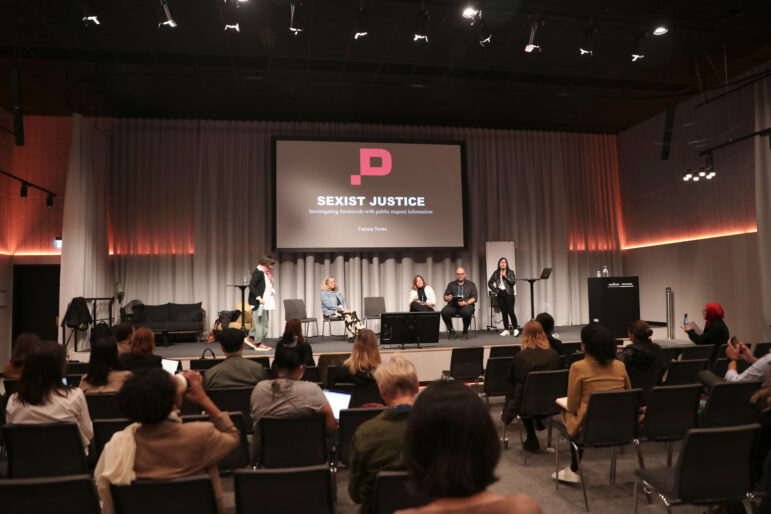
GIJC23 Reporting Tools & Tips
Humanizing without Sensationalizing: Investigating Femicide
How can journalists use data without reducing the murder of women to crime statistics, and produce a narrative that humanizes without sensationalizing?
How can journalists use data without reducing the murder of women to crime statistics, and produce a narrative that humanizes without sensationalizing?
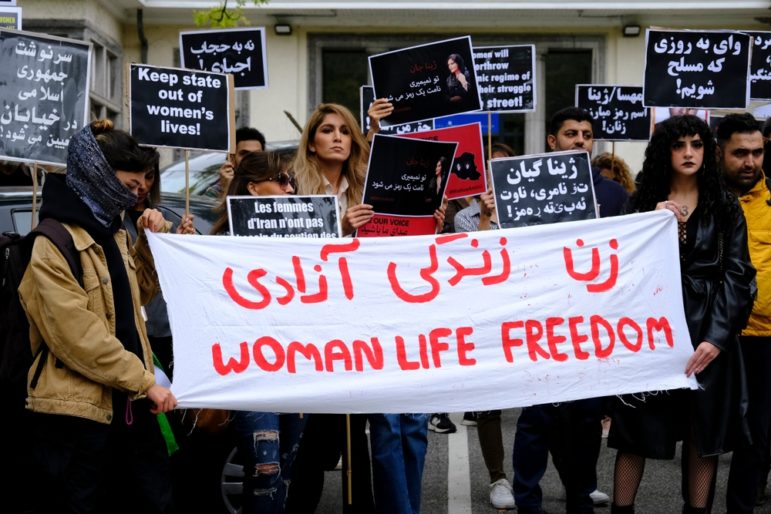
Radio Zamaneh Executive Director Joris van Duijne discusses how his exile media site is reporting from afar on the widespread political protests reverberating across Iran.
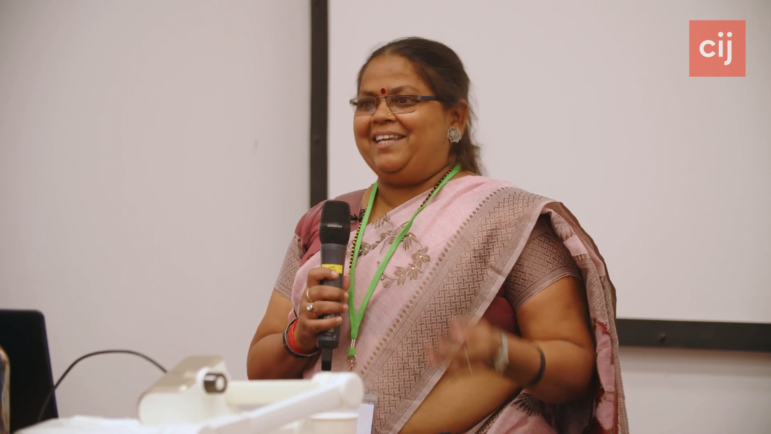
Meera Jatav, the co-founder of the award-winning, grassroots feminist media organization Khabar Lahariya, has won admiration for her courageous investigations into gender-based violence and caste in India. Here is the keynote speech she delivered at the Centre for Investigative Journalism’s summer conference in London.

What’s the global data journalism community tweeting about this week? Our NodeXL #ddj mapping from October 28 to November 3 finds The Economist’s summary of a great year in print data journalism, an interesting visualization by Deniz Cem Önduygu of key arguments in Western philosophy, Datajournalism.com’s guide to editing data journalism, and BBC News’ analysis of outgoing House of Commons Speaker John Bercow’s career in numbers.
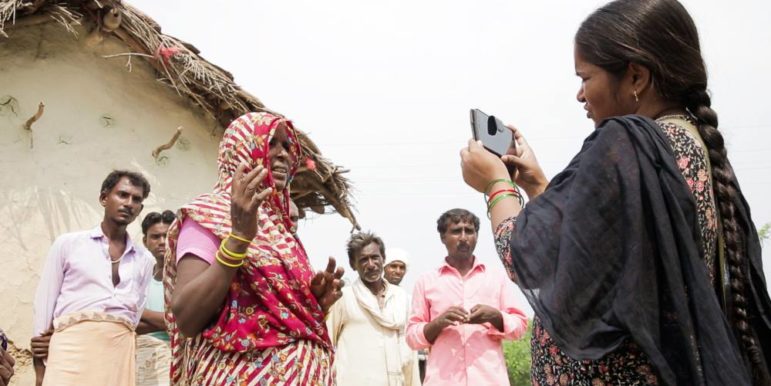
Khabar Lahariya started as a four-page experiment to educate women who were learning to read and write but has now grown into a full-blown newspaper that exposes corruption and society’s injustices. Staffed with women from rural India, the newspaper is shaking a deeply entrenched system of neglect in the small villages of India.
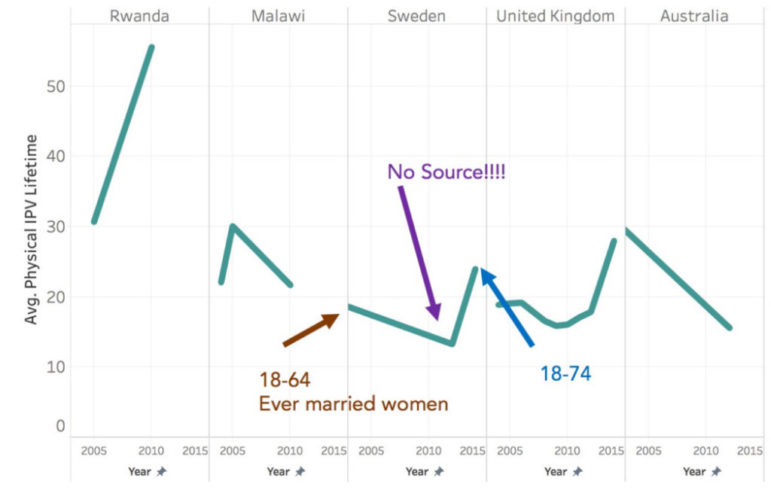
Too often, inexperienced data users accept the data they receive at face value. Data scientist Heather Krause cautions that data should be treated similar to a human source. Just as you’d do a background check on a human source before publishing what they told you, you need to understand your data.
In 2001 GIJN was born, as investigative journalists from around the globe met for the very first time to share ideas, tips, and best practices to strengthen their reporting in a world where journalism was increasingly under threat.
Today the threat has multiplied, and at GIJN we find ourselves under the same pressures as our member organizations. Most urgently: available funding for investigative journalism has been impacted as some longtime funders who supported journalism in the past are no longer doing so or have closed. Yet our work continues, more important than ever before.
GIJN serves as the global hub for the world’s investigative reporters. Our core mission is to support and strengthen investigative journalism—with special attention to those from repressive regimes and marginalized communities.
We are embarking on our first-ever campaign initiative to help us expand our revenue by the end of the year through individual donors. If you have ever joined one of our free webinars, used one of our free resources, learned a new skill thanks to a GIJN training, or simply believe that press freedom is essential to civil society, we ask you to show your support for GIJN’s work with a donation of your choosing. Called “Friends of GIJN,” this campaign includes a more personalized experience, starting in 2027, for individuals who answer the call to join with us during this unprecedented time.
Truth and democracy are under attack around the world. You can fight back by helping GIJN support investigative journalists with free access to the latest tools and techniques — so they can foster justice and hold accountable those who abuse the public trust.
With a staff based in 24 countries, GIJN works in a dozen languages each day, linking together the world’s most enterprising journalists, offering state-of-the-art training, webinars, tip sheets, and a Help Desk that responds to 2,000+ requests for assistance each year. More than 84% of GIJN’s operating budget goes directly to our program work.
Please make a gift today to support journalists on the front lines of the fight for accountability and human rights.