
News & Analysis
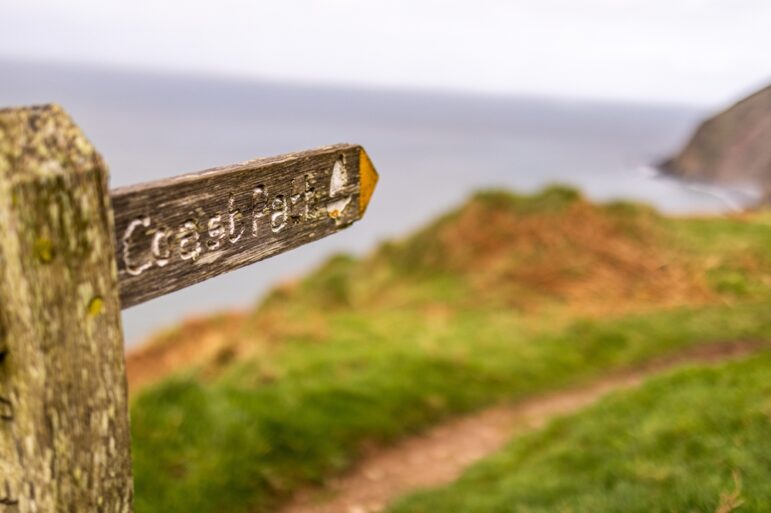
Investigating a Scandal in the Publishing World: Q & A with Chloe Hadjimatheou
“The Salt Path” was a bestselling memoir, but after a tipoff, this reporter wondered if everything was quite as it seemed.
“The Salt Path” was a bestselling memoir, but after a tipoff, this reporter wondered if everything was quite as it seemed.

TBIJ journalists explain how they got around SLAPP suits by having UK Members of Parliament — shielded by legal privilege — read in the House of Commons previously silenced stories.

The UK’s Post Office scandal saw hundreds of people wrongly prosecuted. For over a decade, investigative journalists from small outlets plugged away to uncover the truth.
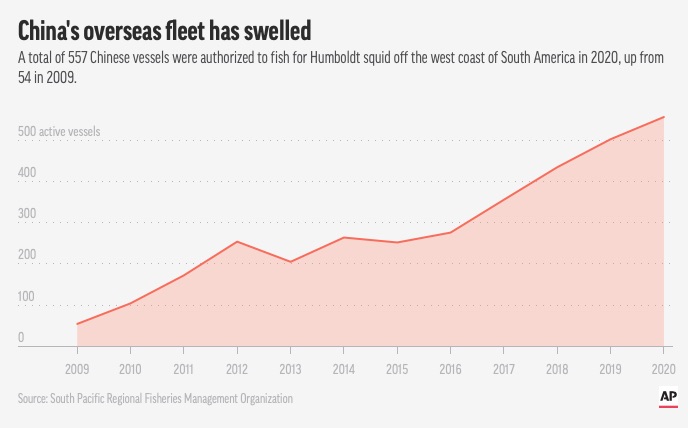
Tracking the most popular data journalism stories on Twitter from September 20 to September 26, using NodeXL mapping and our own human curation, we found investigations into burning oil in the Greek islands and heat-related deaths in German cities. In this edition, we also feature an exclusive story about China’s vast, secretive fishing fleet, a look at the US arms race, and an analysis of suspicious anomalies in the recent Russian election results.
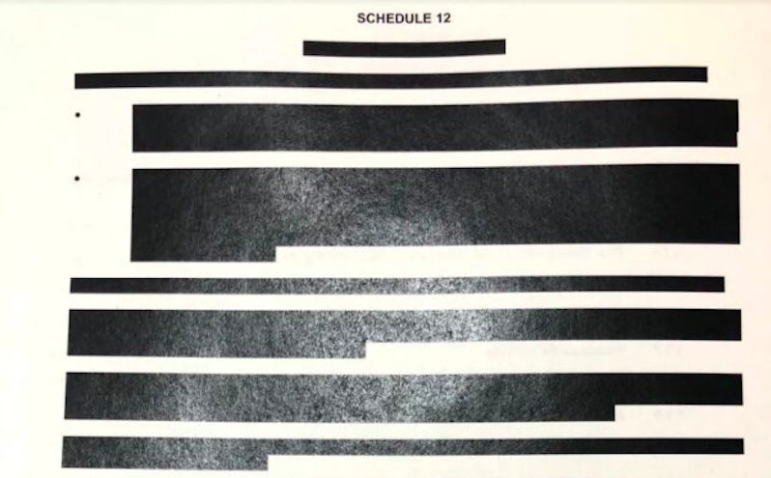
When the Bureau of Investigative Journalism asked to see a contract between property developers and the North London borough of Haringey, its reporters were disappointed to receive a heavily-redacted document. This was part of a drive by the UK nonprofit to test the Local Audit and Accountability Act 2014, which gives citizens and journalists the right to access the accounts and related documents of city councils and other local authorities.
In 2001 GIJN was born, as investigative journalists from around the globe met for the very first time to share ideas, tips, and best practices to strengthen their reporting in a world where journalism was increasingly under threat.
Today the threat has multiplied, and at GIJN we find ourselves under the same pressures as our member organizations. Most urgently: available funding for investigative journalism has been impacted as some longtime funders who supported journalism in the past are no longer doing so or have closed. Yet our work continues, more important than ever before.
GIJN serves as the global hub for the world’s investigative reporters. Our core mission is to support and strengthen investigative journalism—with special attention to those from repressive regimes and marginalized communities.
We are embarking on our first-ever campaign initiative to help us expand our revenue by the end of the year through individual donors. If you have ever joined one of our free webinars, used one of our free resources, learned a new skill thanks to a GIJN training, or simply believe that press freedom is essential to civil society, we ask you to show your support for GIJN’s work with a donation of your choosing. Called “Friends of GIJN,” this campaign includes a more personalized experience, starting in 2027, for individuals who answer the call to join with us during this unprecedented time.
Truth and democracy are under attack around the world. You can fight back by helping GIJN support investigative journalists with free access to the latest tools and techniques — so they can foster justice and hold accountable those who abuse the public trust.
With a staff based in 24 countries, GIJN works in a dozen languages each day, linking together the world’s most enterprising journalists, offering state-of-the-art training, webinars, tip sheets, and a Help Desk that responds to 2,000+ requests for assistance each year. More than 84% of GIJN’s operating budget goes directly to our program work.
Please make a gift today to support journalists on the front lines of the fight for accountability and human rights.