GIJC25
5 Tips on How to (More) Safely Investigate in Authoritarian States
Four journalists working in authoritarian countries or regions where democracy is backsliding offer their advice on how to deal with the reporting challenges.
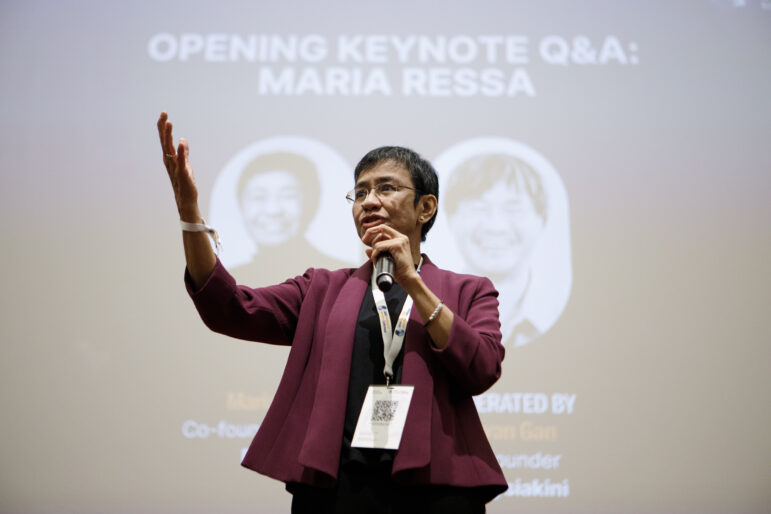
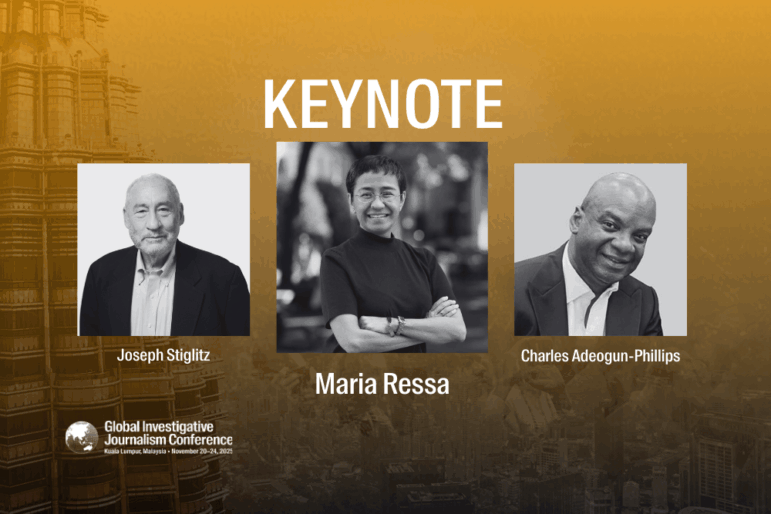
In her keynote address, the Rappler CEO issued an urgent call for the investigative reporting community to embrace creative solutions in pursuit of the facts and a sustainable future.
Investigations by independent journalists like Pablo Torre are a clear example of the growing need for bottom-up, citizen journalism — particularly given US media industry trends.
The first Global Investigative Journalism Conference to be held in Asia will feature a treasure-trove of Asia-focused panels, data workshops, and networking events,
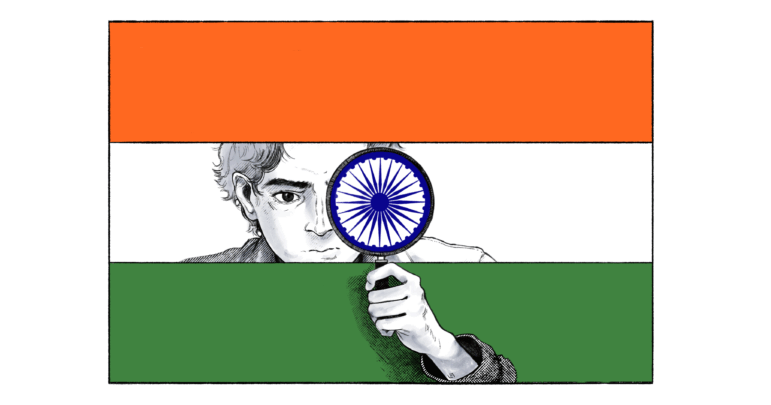
This small yet notorious investigative outlet was formed almost by accident — but has gone on to investigate electoral issues, conflict, and the death of an Indian journalist.
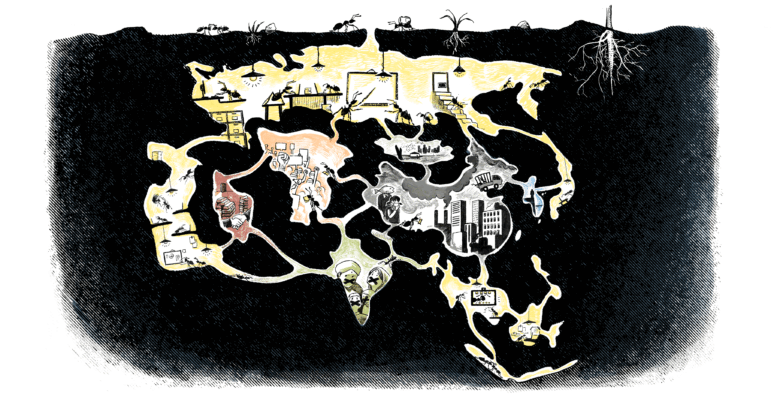
Asia serves as a unique laboratory in the global media landscape but journalists here face multiple challenges: censorship, threats, surveillance, and financial pressures.
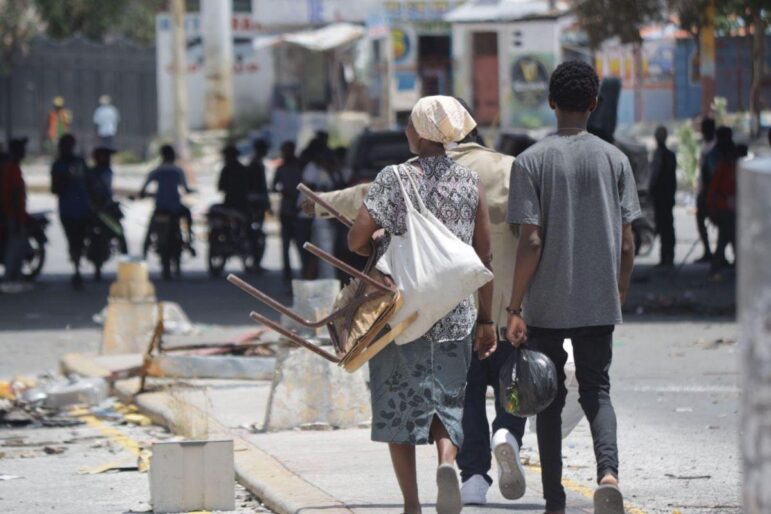
Being a journalist in Haiti means not only witnessing daily violence but also being a potential target, one news outlet remains a home for those who refuse to stop reporting.
Journalism pioneer Maria Ressa, famed economist Joseph Stiglitz, and UN Rwanda Tribunal prosecutor Charles Adeogun-Phillips headline the top experts on the conference’s program.
Inkyfada’s Malek Khadhraoui believes in using the power of collaboration and innovation to work around repressive regimes and a systemic lack of access to information.
For almost 30 years, the Media Foundation for West Africa has supported watchdog journalism and press freedom in both democratic and authoritarian states across the region.