
Resource
Full Report: The Investigative Agenda for Climate Change Journalism
What happened when 80 climate change journalists and experts met to discuss the future role of investigative journalism in climate crisis reporting.
What happened when 80 climate change journalists and experts met to discuss the future role of investigative journalism in climate crisis reporting.

GIJN convened a one-day meeting of 80 climate change journalists and experts from 35 countries to discuss the future role of investigative journalism in climate crisis reporting.
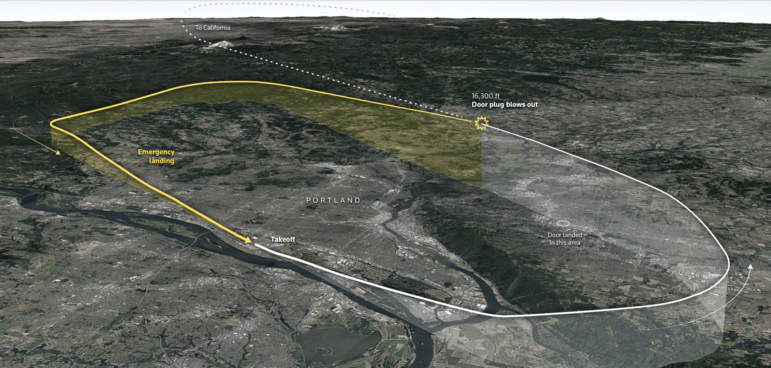
With pieces on the global campaign landscape, airplane accidents, European snowfall, and the toll of the ongoing Israel-Hamas conflict in Gaza.
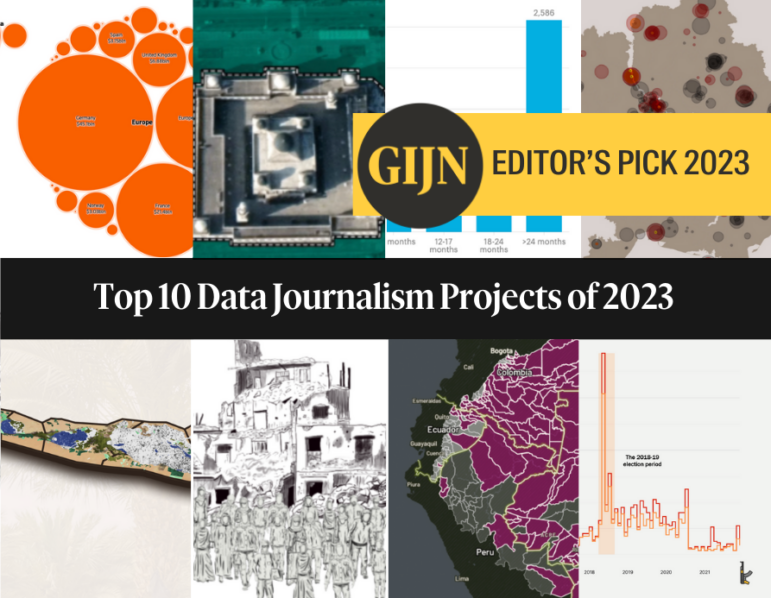
Featuring stories on climate change, pollution, algorithms, war and conflict, the Turkey-Syria earthquake, and a deadly migrant shipwreck in the Mediterranean.

Despite challenging circumstances, international news outlets still broke major political stories and local journalists continued to push boundaries.

Based on a leaked trove of briefing documents, this exposé revealed the COP28 host country’s plan to push for lucrative oil and gas deals at the world’s premier climate change conference.

Journalists share stories and tips from their investigations into environmental crimes, from deforestation in the Congo to the Beirut port blast.
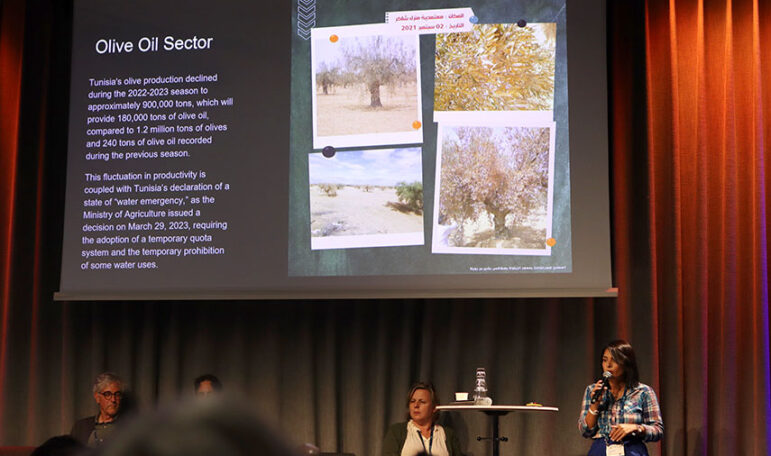
Water depletion in Tunisia, illegal shark fishing in Asia, global seed monopolies: three environmental journalists shared lessons at GIJC23 from their investigations into food production and supply chains.
As climate change impacts communities across the globe in the form of wildfires, record heat, deadly flooding, and devastating droughts, there is a growing urgency in investigating the causes and impacts.