
Reporting Tools & Tips
GIJN’s Top Investigative Tools of 2025
In a year that kleptocracy and attacks on independent media spiked, investigative reporters harnessed a mix of new databases and innovative tools to hold bad actors accountable.
In a year that kleptocracy and attacks on independent media spiked, investigative reporters harnessed a mix of new databases and innovative tools to hold bad actors accountable.

Archives are a powerful way to expose historical abuses — from war crimes to broken government promises — by preserving fragile evidence and turning it into a verifiable, searchable record.
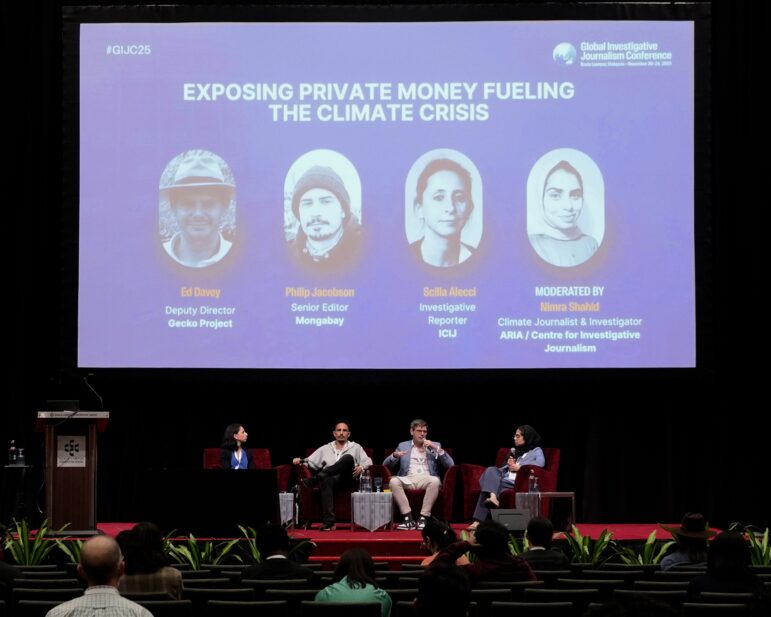
At this GIJC25 session, veteran environmental reporters offered strategies for unmasking the hidden owners, banks, politicians, and regulators quietly fueling climate change.
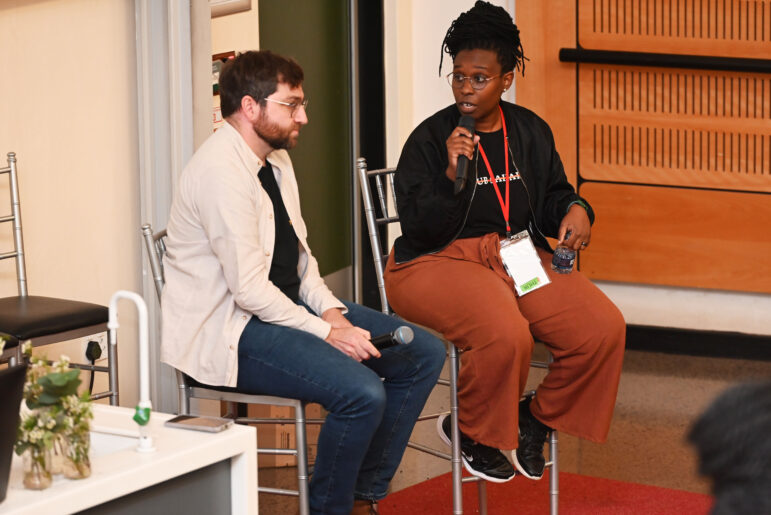
Watchdog reporters at AIJC offered tips for navigating the professional, emotional, and ethical complications of reporting stories that intersect with your personal life.

An expert panel at GIJC25 described the multi-layered criminal infrastructures behind online gambling, and offered practical tactics to help reporters expose those networks.

Local producers are key figures vital to the success of many overseas investigations. Here are best practices for fixers when working with foreign reporters.
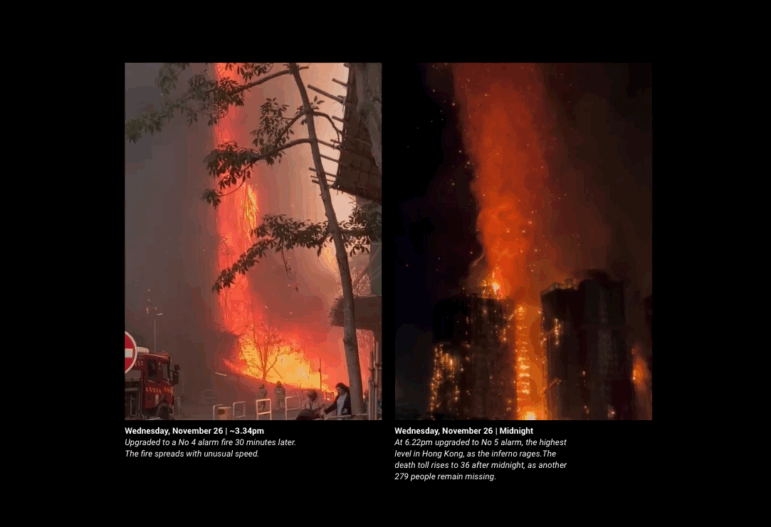
Our round-up of the best in recent data journalism also highlights deepfakes targeting Ukrainian journalists, Europe’s sprawling landfills, and how Peru’s youth are locked away in prisons.
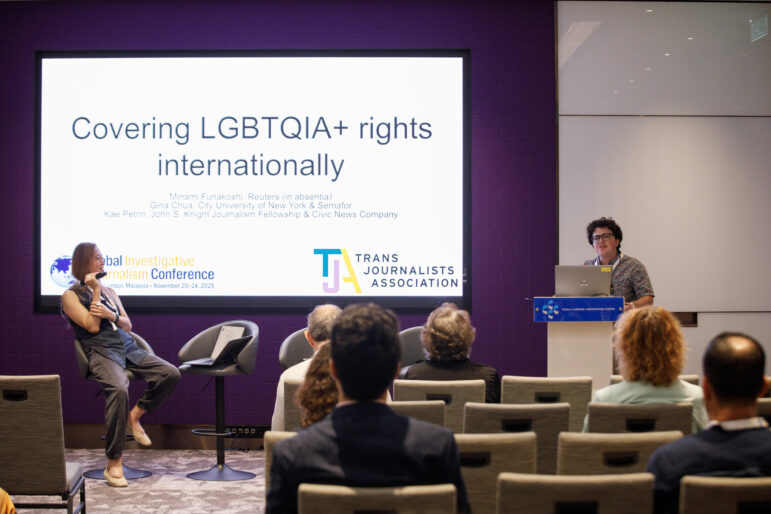
Rising political backlash and harmful policies threaten queer lives. Covering systemic failures that affect LGBTQ+ people requires rigorous, sensitive reporting.

At GIJC25, veteran journalists from Indonesia, Norway, and Colombia shared practical, replicable strategies for uncovering illegal fishing and maritime wildlife trafficking at sea.

From combining investigative stories with theater events to livestreaming editorial meetings, these newsrooms have adapted to dwindling revenue streams in novel ways.

Scams now function as sprawling transnational criminal enterprises. But journalists can expose these networks by following inconsistencies, mapping operations, and collaborating across borders.
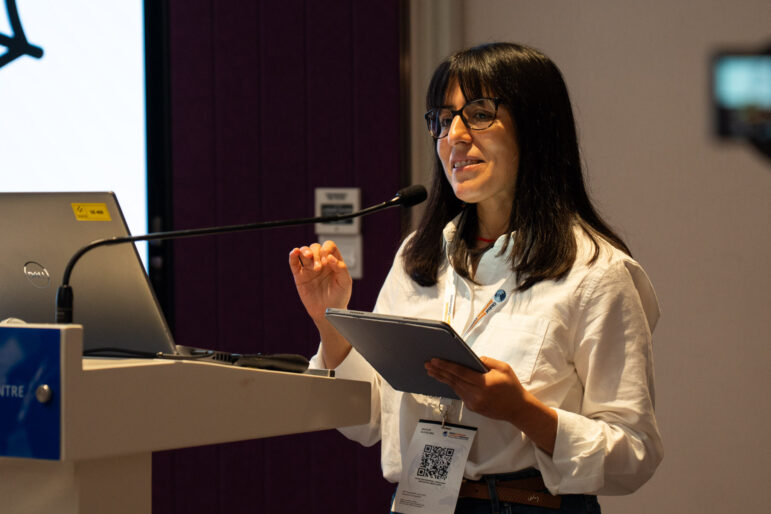
At GIJC25, Peruvian investigative journalist Fabiola Torres showed reporters how to uncover the systems behind pharma monopolies, and how to connect market structures to human impact.

Tackling religion stories can require creative ways to overcome lack of access, and how to seek help during difficult times.

Journalists detailed how they build dossiers on oligarchs, mine corporate and sanctions databases, and use leaks – all while managing legal and security risks.

At GIJC25, experts from Venezuela, Ghana, and India highlighted AI tools and collaborative strategies that exposed electoral disinformation campaigns.

Women investigative reporters face harassment, surveillance, and personal risk. Here are practical strategies to confront these challenges from female journalists on the front lines.

Journalists reporting on water scarcity often face a lack of transparency, limited access to sites and sources, unwieldy data, and a resistant media environment.
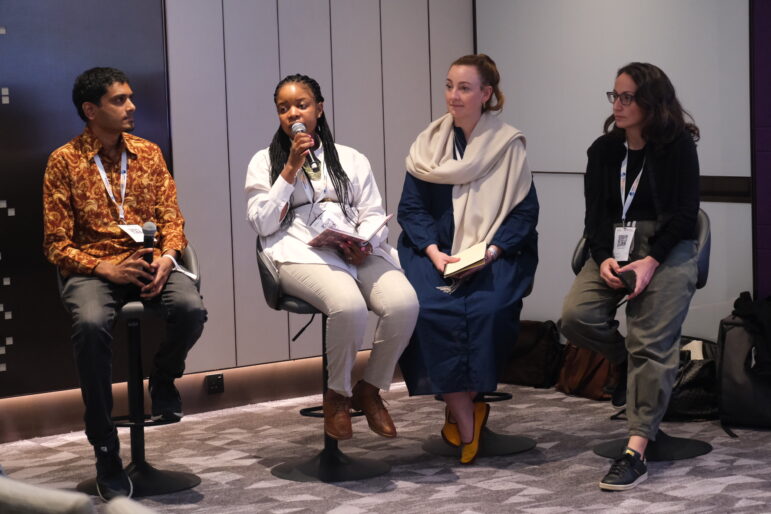
At GIJC25, veteran freelancers from Africa, Asia, and Europe shared tips for finding funding, managing security, and negotiating with editors over rates, commissions, and deadlines.

In a keynote conversation, the economist said reporters have a key role to play in probing Western financial institutions and the rules that lead to wealth being laundered from the Global South.

The 15th Global Investigative Journalism Conference will be held in 2027 in the Netherlands, co-hosted by GIJN and VVOJ (The Dutch-Flemish Association of Investigative Journalists).

A panel of three investigative reporters shared practical tips to dig into the rapid deployment of biometric systems in Africa and beyond.

These three winners and recipient of a special citation represent outstanding journalism from developing or transitioning countries, carried out under threat or in perilous conditions.

Ethnographic journalism blends anthropological theory and immersive fieldwork to report on marginalized communities, but its relationship with traditional journalism remains contested.
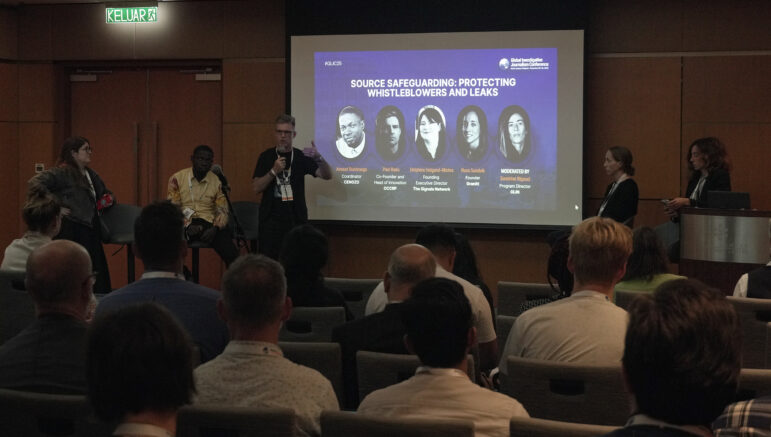
Keeping your sources, your data, and yourself safe during investigations is a complex undertaking. Four veteran journalists offer their tips on how to do so.
Undercover specialists warn that investigative tactics must be a last resort—especially in the AI age, where metadata, surveillance, and deepfakes raise new ethical and safety risks.
The former lead Rwanda genocide prosecutor explains old flaws and new solutions for the international criminal justice system.

Effective investigative reporting under repression requires methodical safety planning, disciplined self-care, and an active defense of one’s work and reputation, according to this renowned investigative journalist.
Forced to leave their homes and homelands, exiled journalists spoke about finding ways to continue their journalism in the countries where they have sought refuge.